
Safer Sex
Why do we say “safer” sex?
No matter what type of sex you are having, with who, and with what means of protection, there will always be a degree of risk. We can’t protect ourselves against everything, but we can always be more prepared and take steps to protect ourselves and others. This includes having conversations before having sex about what everyone wants and expects, talking about limits and boundaries, disclosing STD/STI status, and having sexual health supplies like condoms and lube. You can get many of these sexual health supplies from SHARE’s Package form. We also have zines and handouts about emotionally safer sex. This page will provide brief information about that last one – safer sexual health supplies – in this blog post. Read more to learn about the types of protection SHARE offers, information all about lube, and STD/STI’s.
Types of Protection
Why use protection? How does it make sex more pleasurable?
Sex can create a lot of emotions because of the chemicals at play in the brain and body, the vulnerability, societal standards, and many other reasons. Specifically there can be a fear of STD/STIs or pregnancy that could prevent someone from having a pleasurable time. Using protection can ease someone’s worry and concerns, making sex more enjoyable because they feel safer.
According to Planned Parenthood, there are 18 types of birth control (which means to prevent pregnancy, and not all of them can be used to prevent STD/STIs). Yes, eighteen! Ranging from the pull out method to sterilization (a vasectomy or getting tubes tied). Some are hormonal and some are a physical barrier. There’s a lot of variety and options for what works best for you.
Here’s Planned Parenthood’s list with pros and cons, and effectiveness. Bedsider also has a comparison tool to help choose between different options.
If you want something easy and free, SHARE supplies external condoms, internal condoms, and oral dams through our order form and when we table! Here’s a little bit more about them:
Condoms and Dental Dams
A condom is a physical barrier to prevent pregnancy and to prevent STD/STIs. There are two types: external and internal. An external condom fits snugly around the penis so the semen is inside the condom rather than the vagina. Internal condoms, also called female condoms, are placed inside the vagina rather than over the penis. The FDA approved female condom, called FC2, has a FAQ page for any of your questions.
Condoms can be made of latex, nitrile, polyurethane, polyisoprene, and lambskin (which do not prevent STD/STIs). SHARE supplies latex and latex-free (polyurethane) condoms. When using condoms, remember that they can only be used once, you have to use condoms every time you have sex for them to be effective, and condoms can expire (so check expiration dates). People with sensitivities may also find them irritating. Condoms also come in different sizes, with different types of lube. They also have flavors, colors, and glow in the dark types, too. They are easy to find, and with SHARE’s order form, have no cost!
SHARE also provides dental dams through the order form. Here’s some information about them:
Dental dams are a physical latex or polyurethane barrier for oral sex because you can transmit or receive STD/STI’s from oral sex. They are placed between the mouth and the partner’s genitals or anus. They can also be helpful for if you’re squeamish about oral sex. They stop fluid exchanges, but are not effective for pubic lice, HPV, and herpes.
Like condoms, they can only be used once, have different sizes, colors, and can be flavored or unflavored. You can also make a DIY dental dam out of external condoms if you don’t have any on hand.
Here and here provide more information about dental dams.
Here are some other options that SHARE doesn’t supply, but you might want to consider:
- Spermicide: a chemical that is placed inside the vagina to slow sperm and to physically block the cervix to stop sperm from entering. It comes in many forms; gel, cream, film, foam, soft inserts that dissolve into cream inside the vagina. Spermicide can be purchased over the counter (OTC) or a prescription. It can be used alone, or with diaphragms and cervical caps (both require spermicide to work).
- A diaphragm is a shallow cup inserted over the cervix to physically block sperm from entering; it’s best used with spermicide applied before placing it inside the vagina. A cervical cap works in a very similar way but has a different shape (like a sailor hat). They both have to be used every time you have sex to be effective.
- You may have also heard of the sponge, which is placed over the cervix and contains spermicide. It can also be used with condoms to protect against STD/STIs.
- The image on the left shows how to put in a cervical cap from Bedsider’s cervical cap page. The image on the right shows the placement of the sponge provided by Planned Parenthood’s “Hot to Use the Birth Control Sponge.”
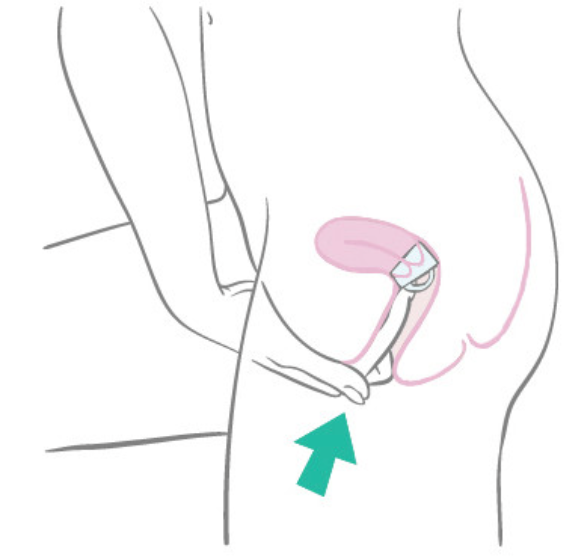
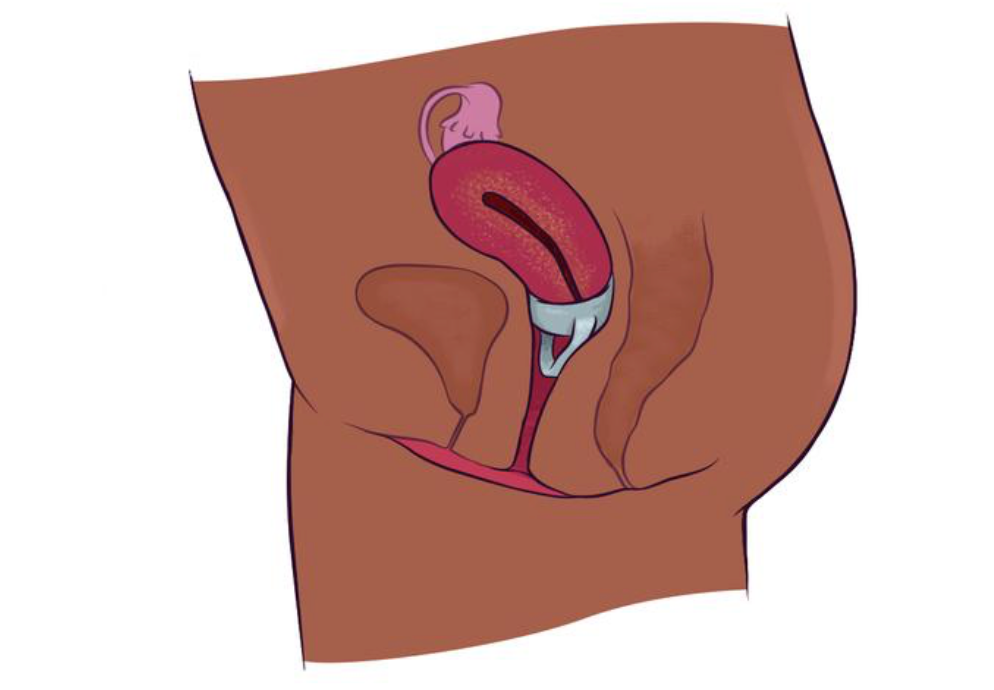
The HCC can also provide prescriptions for hormonal and long term birth control options along with referrals and genital exams.
The next post will be all about lube, toys, and have more resources!