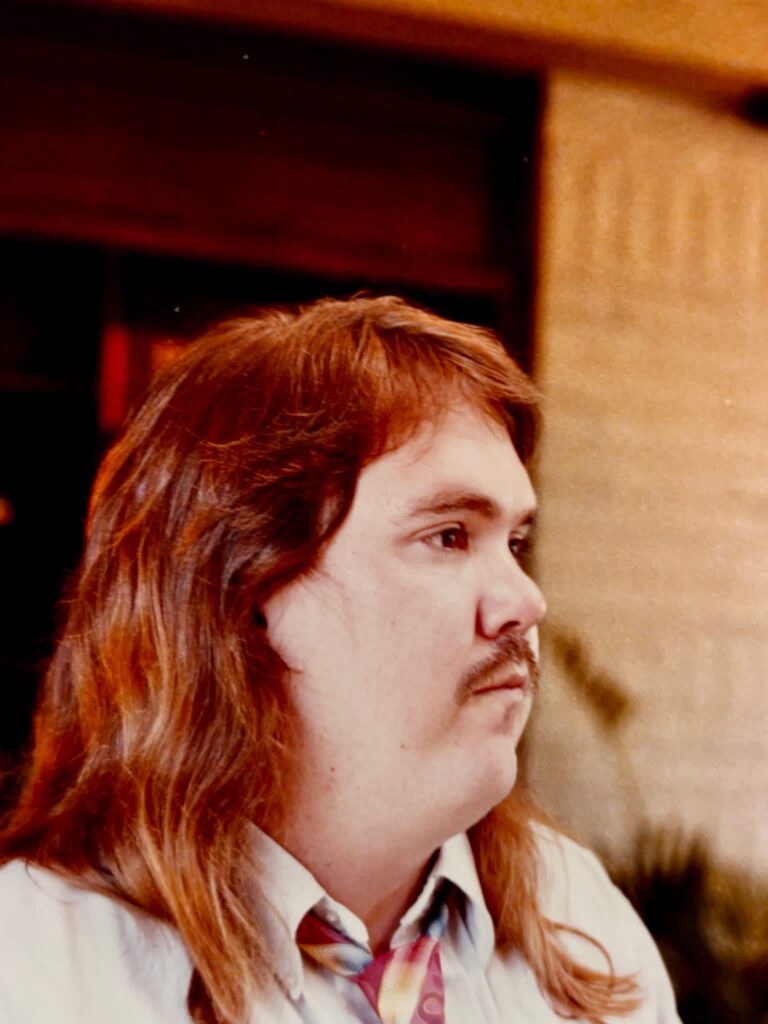
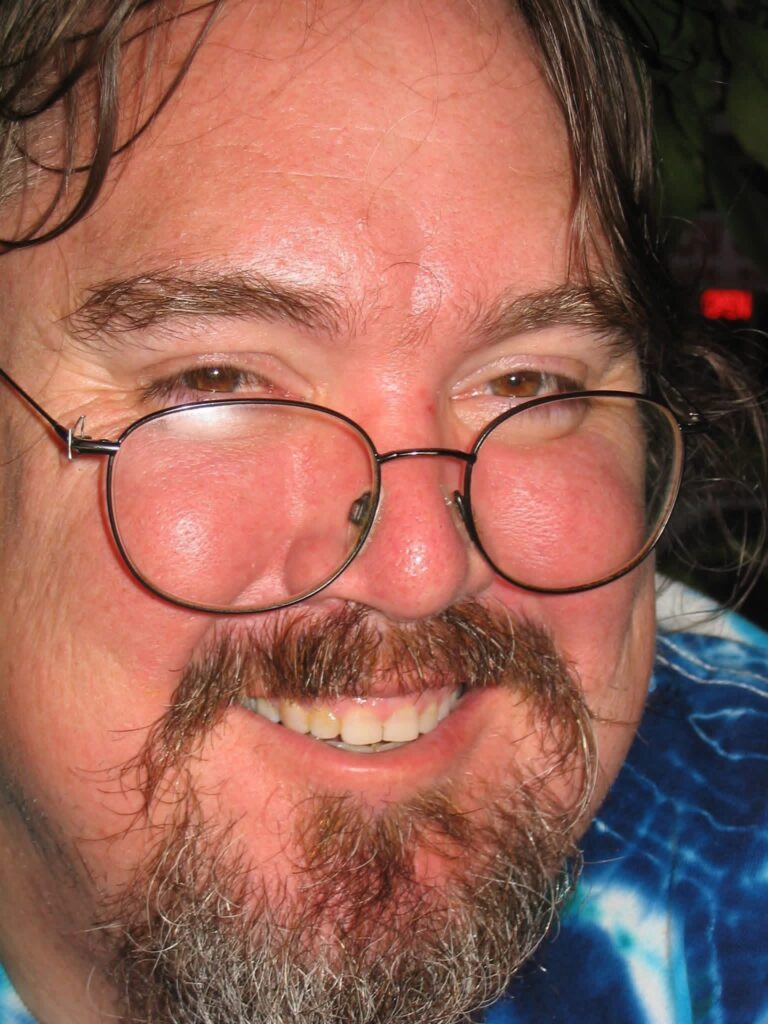
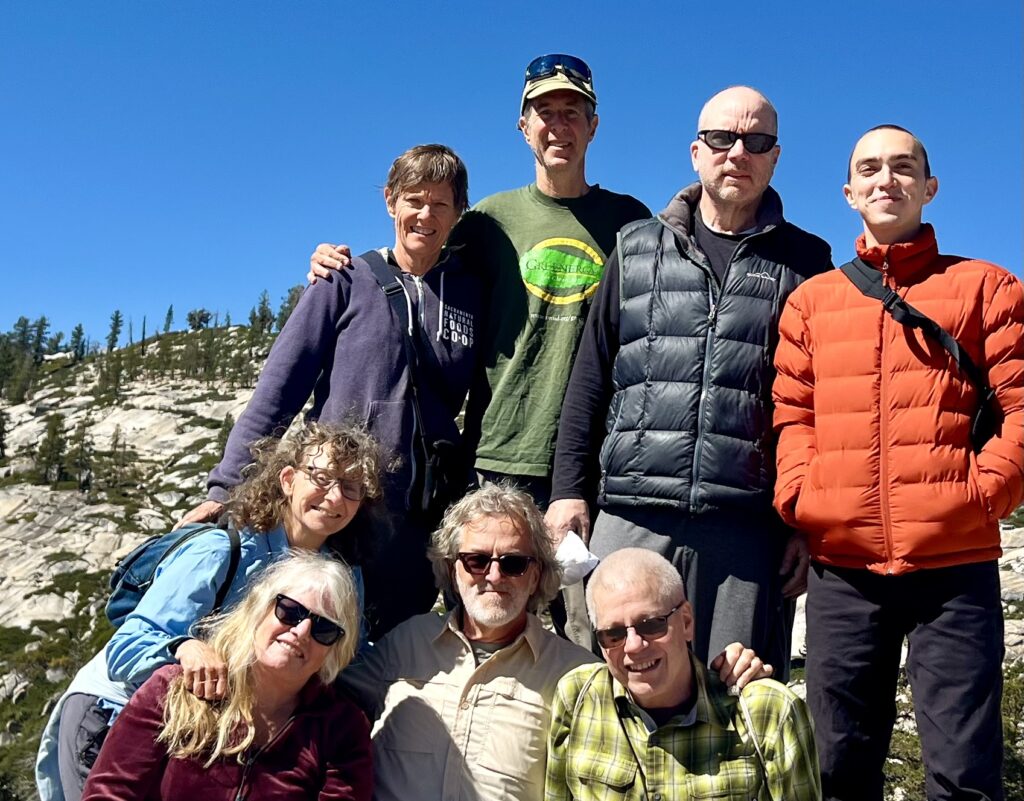
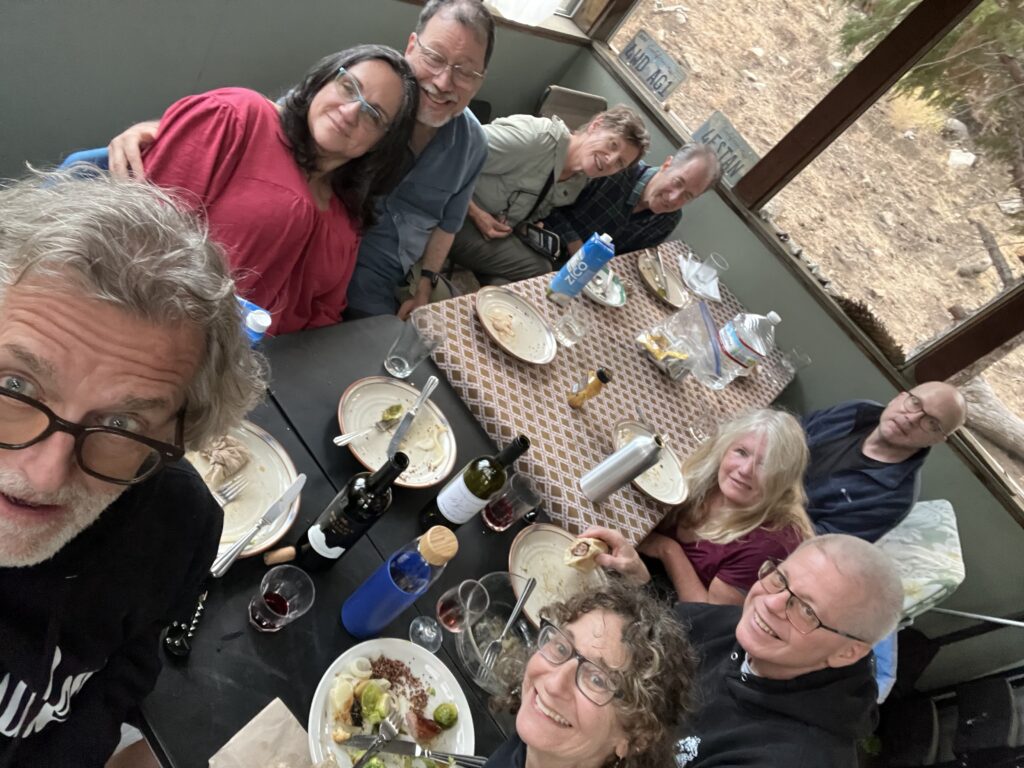
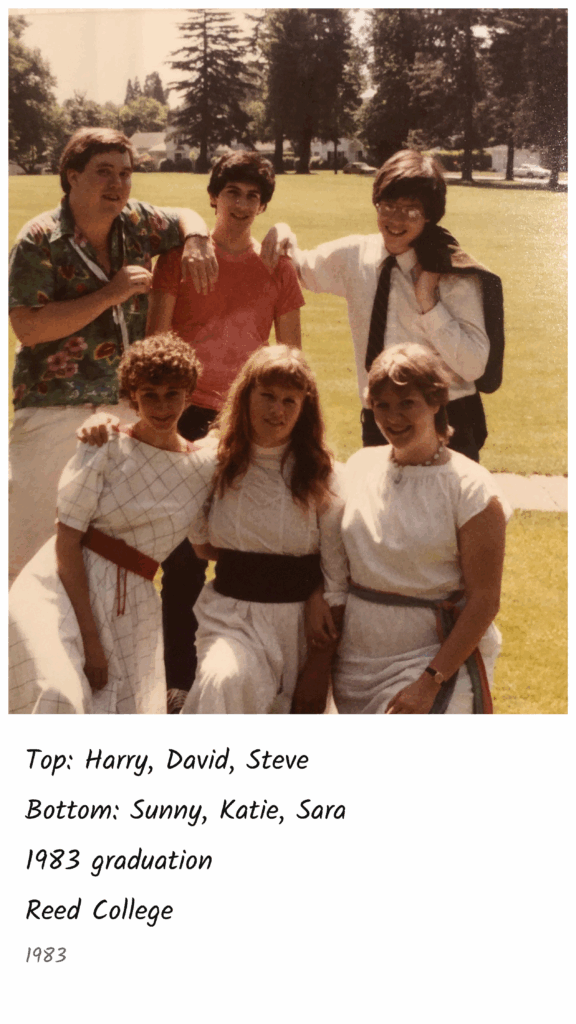
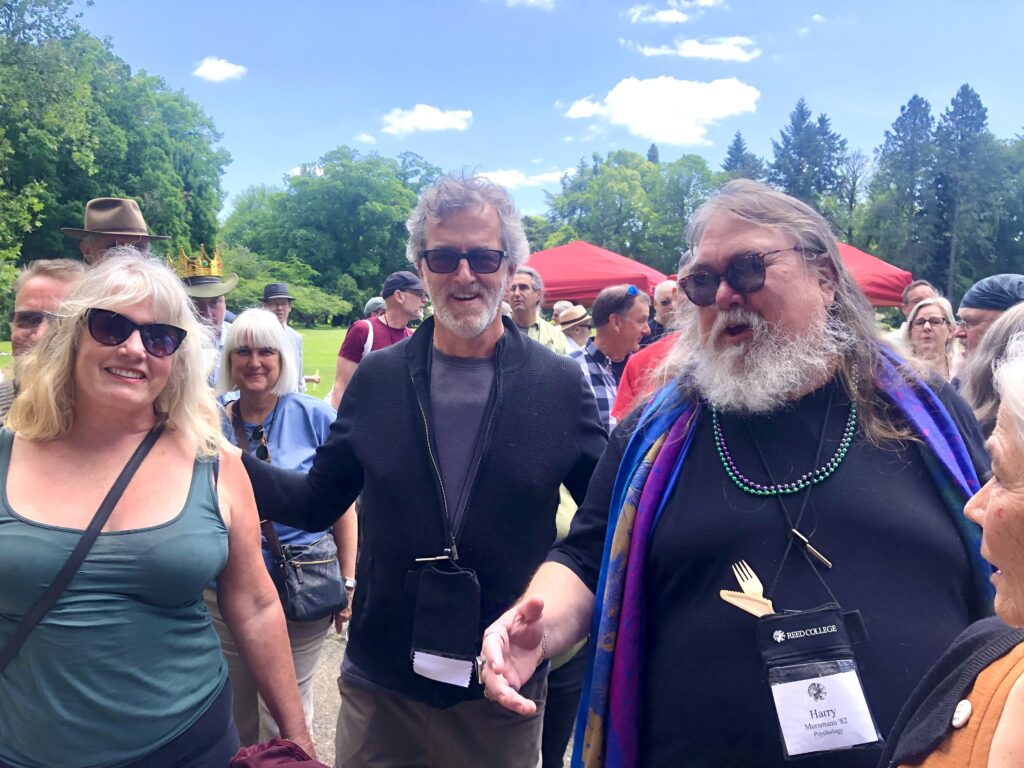
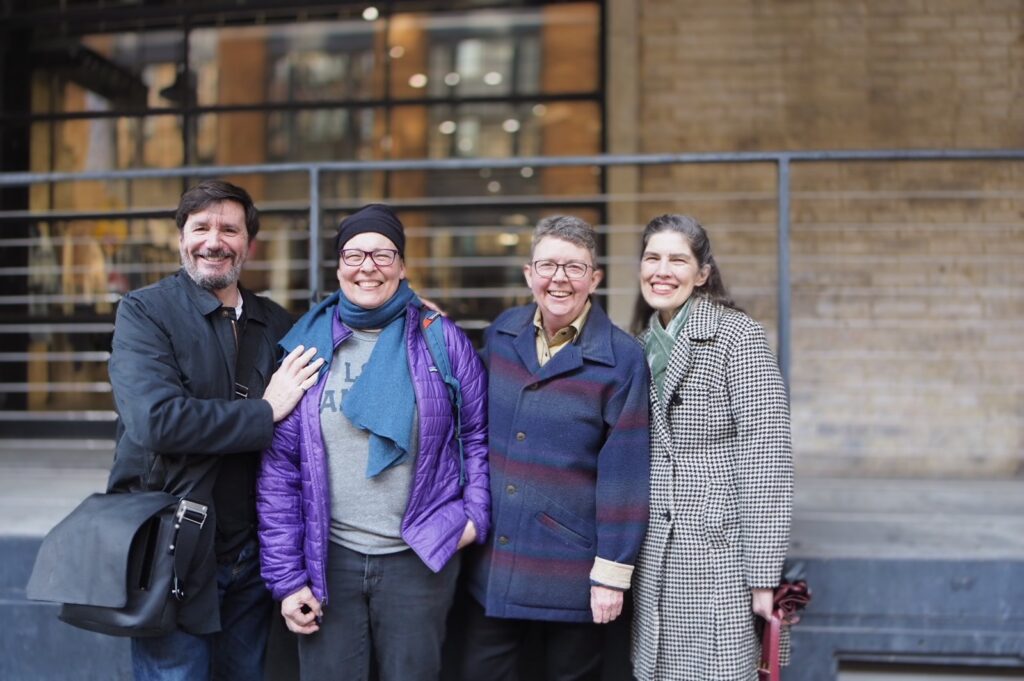
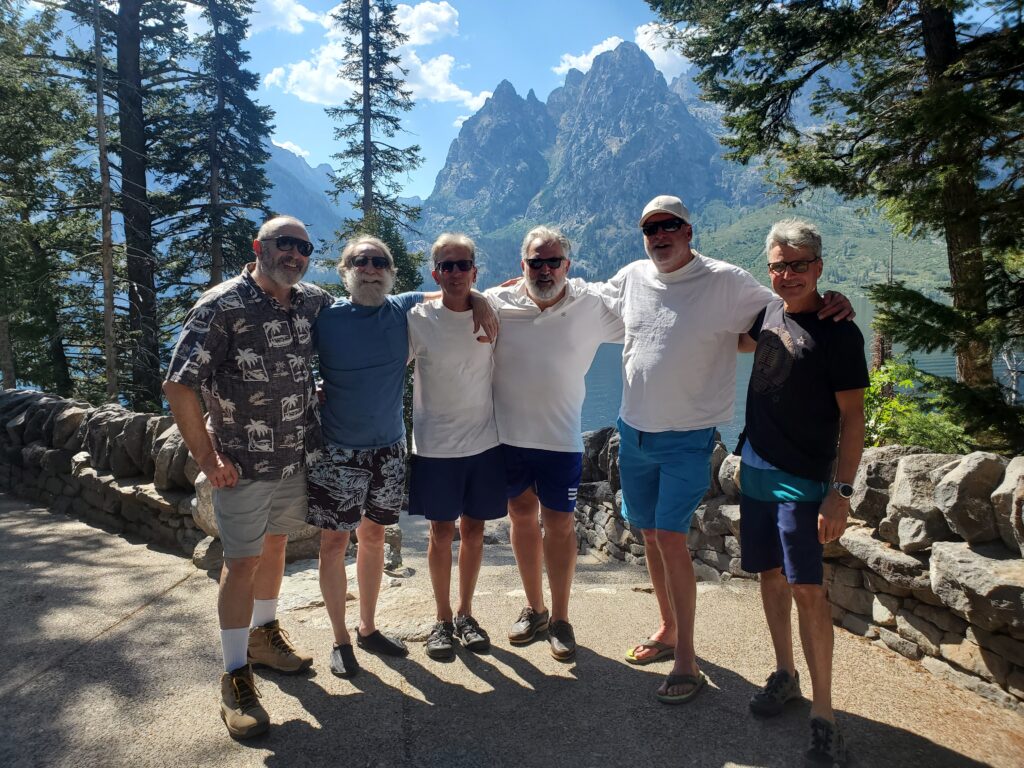
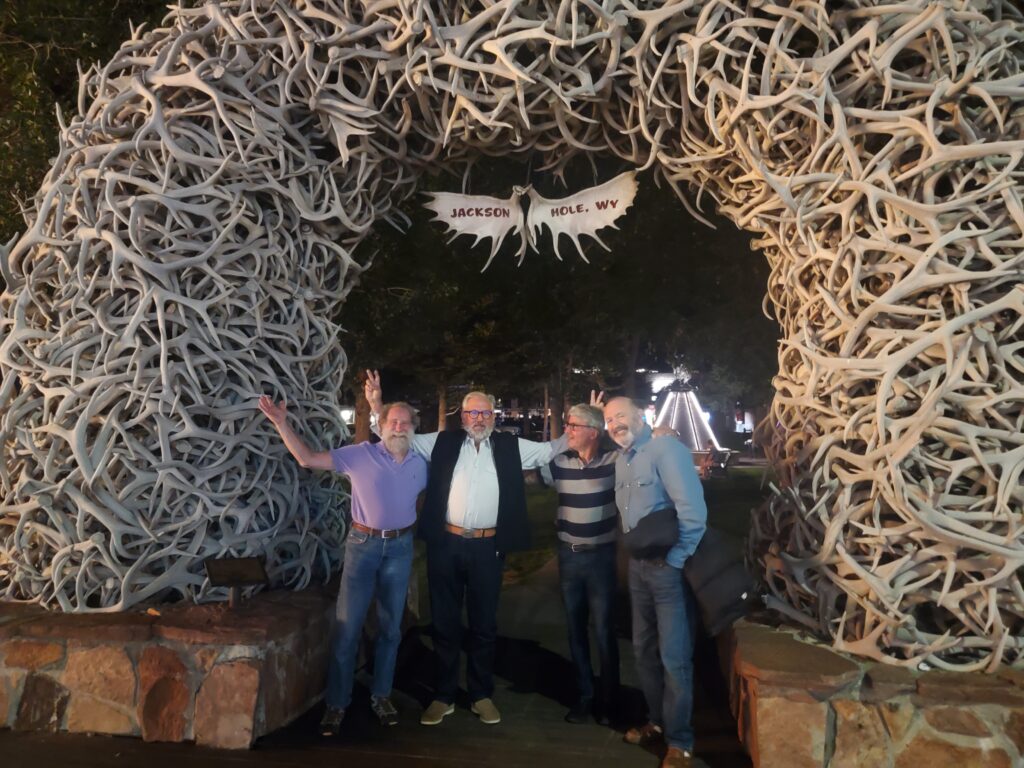
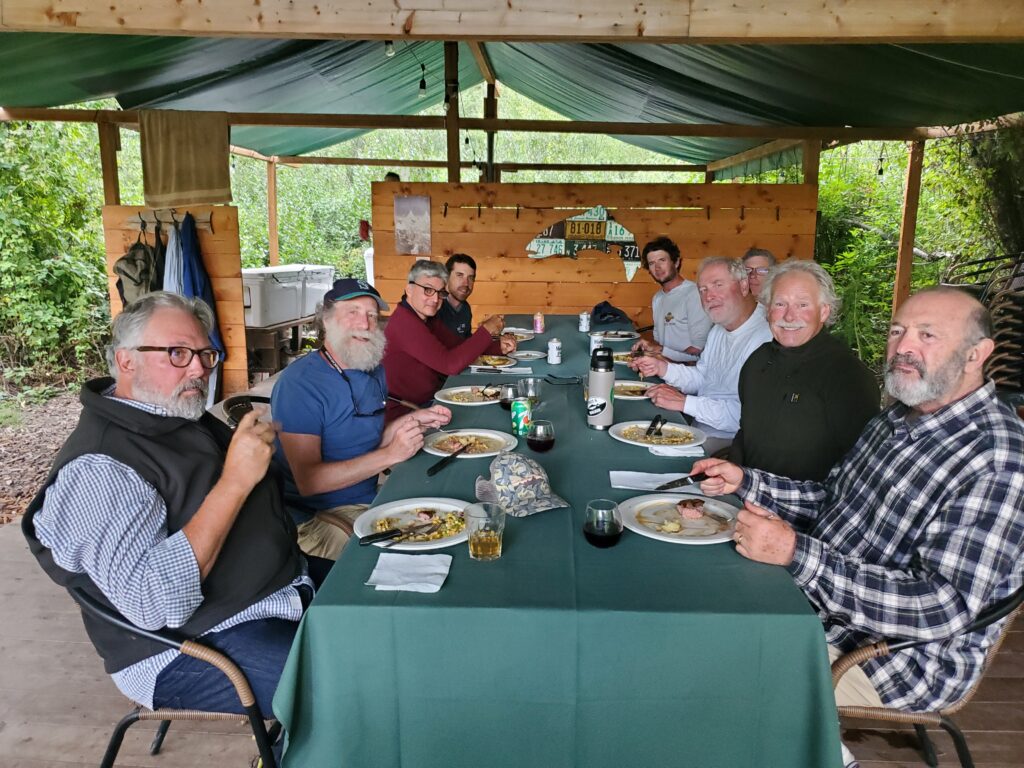
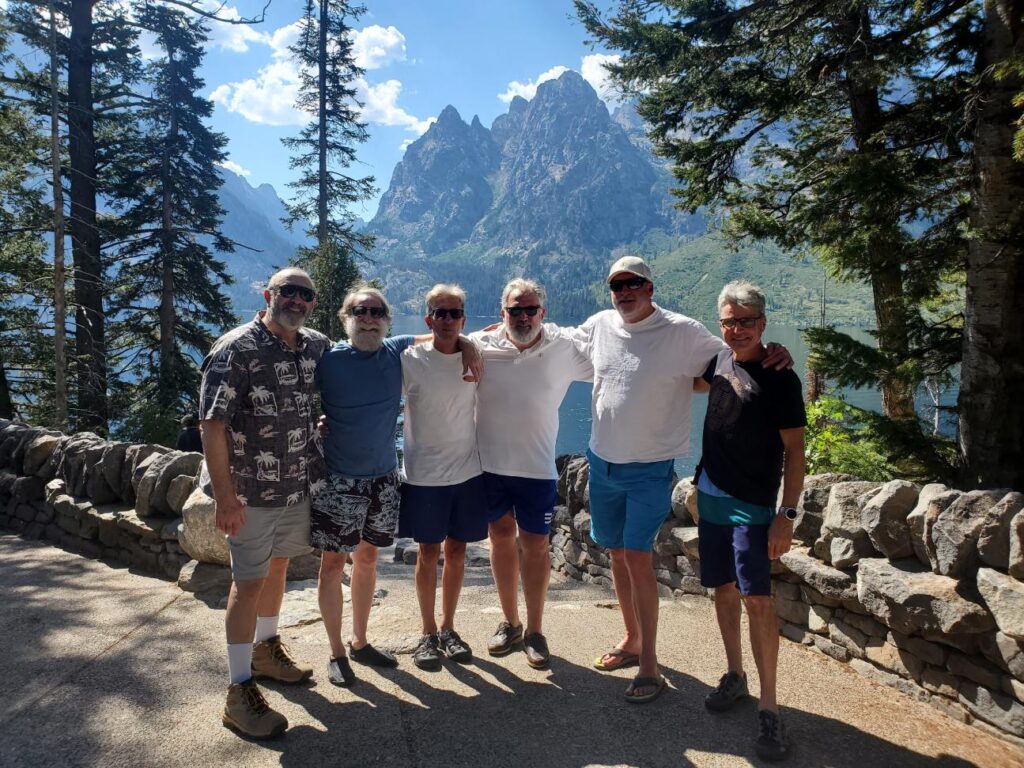
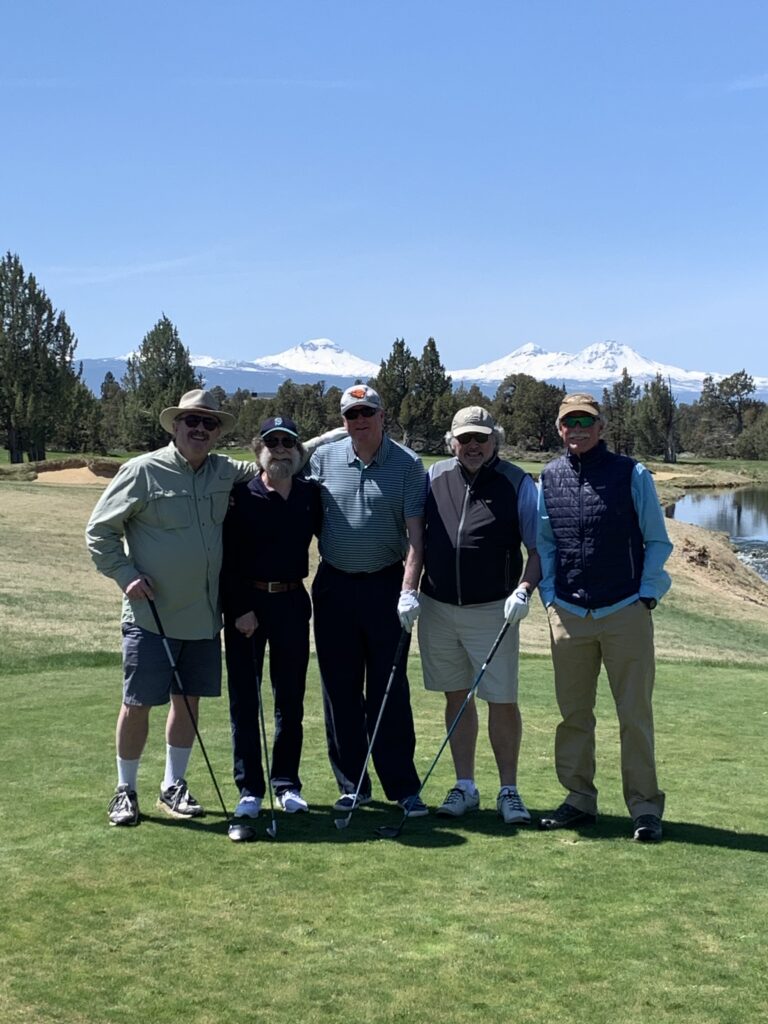
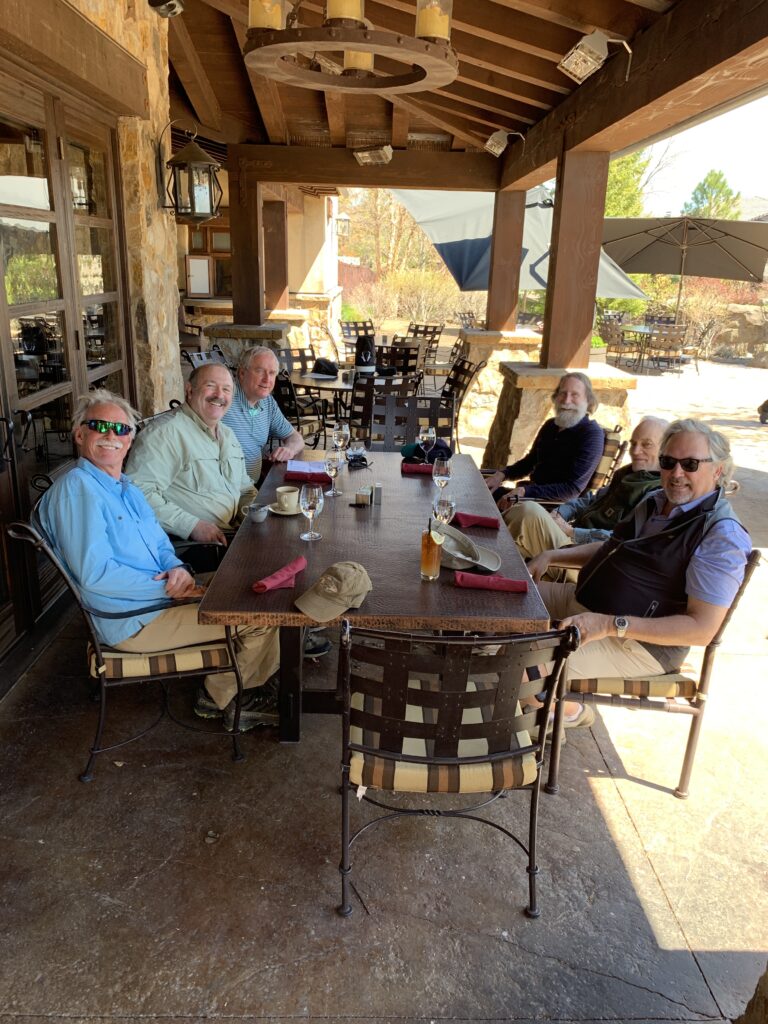
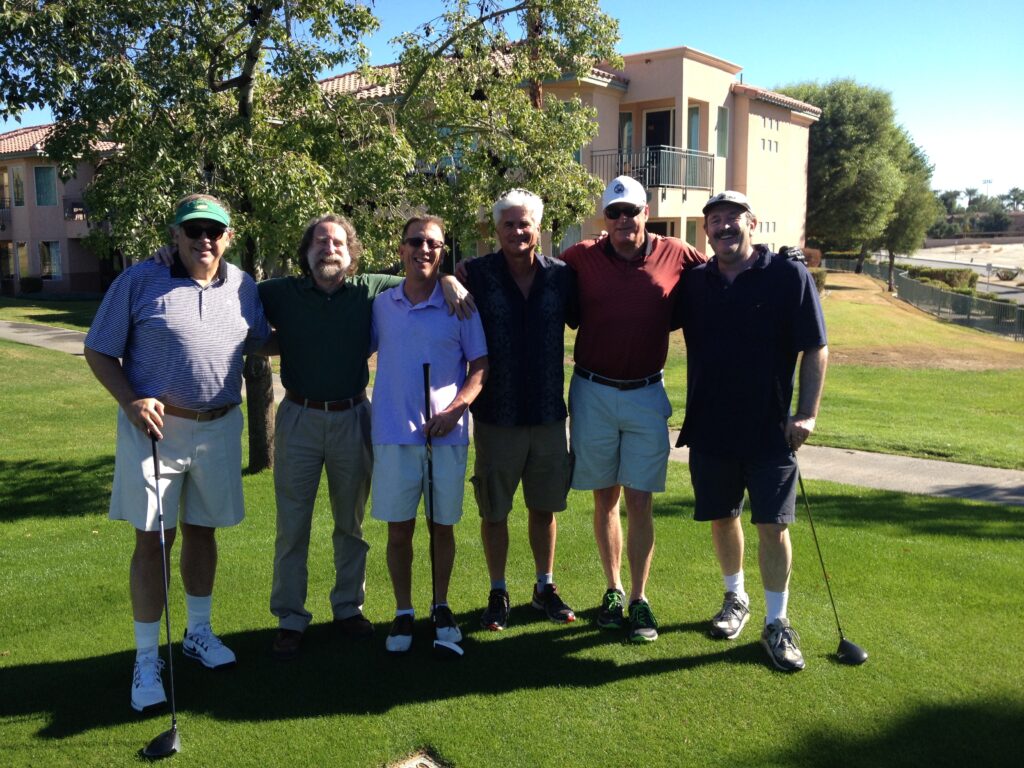
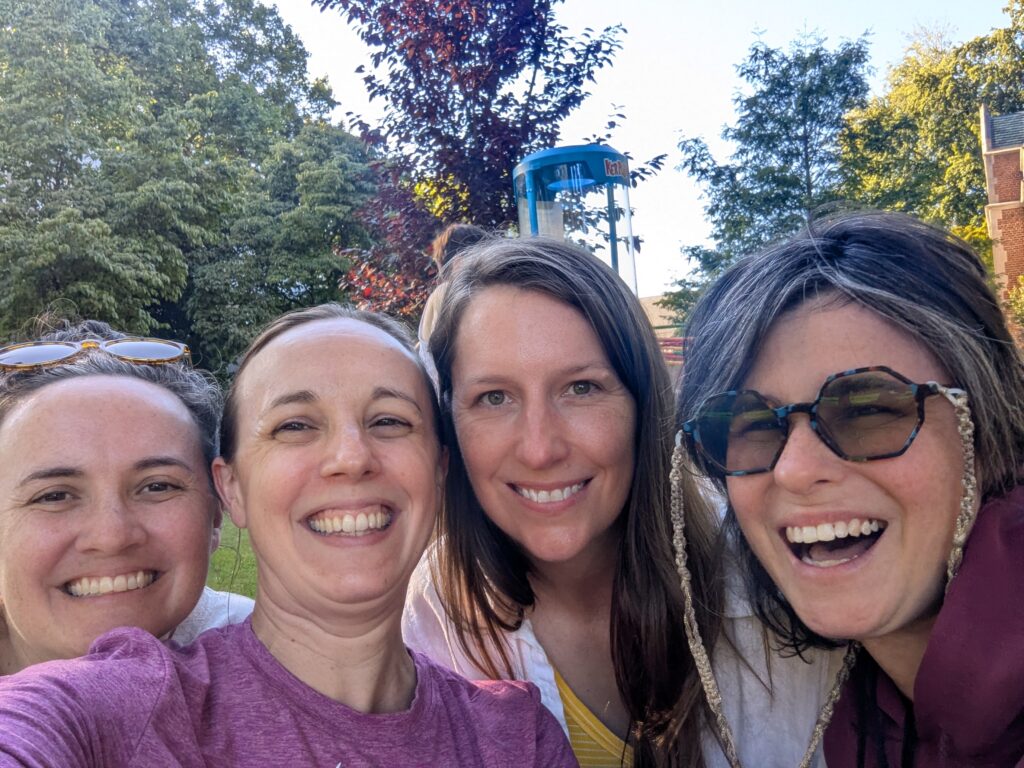
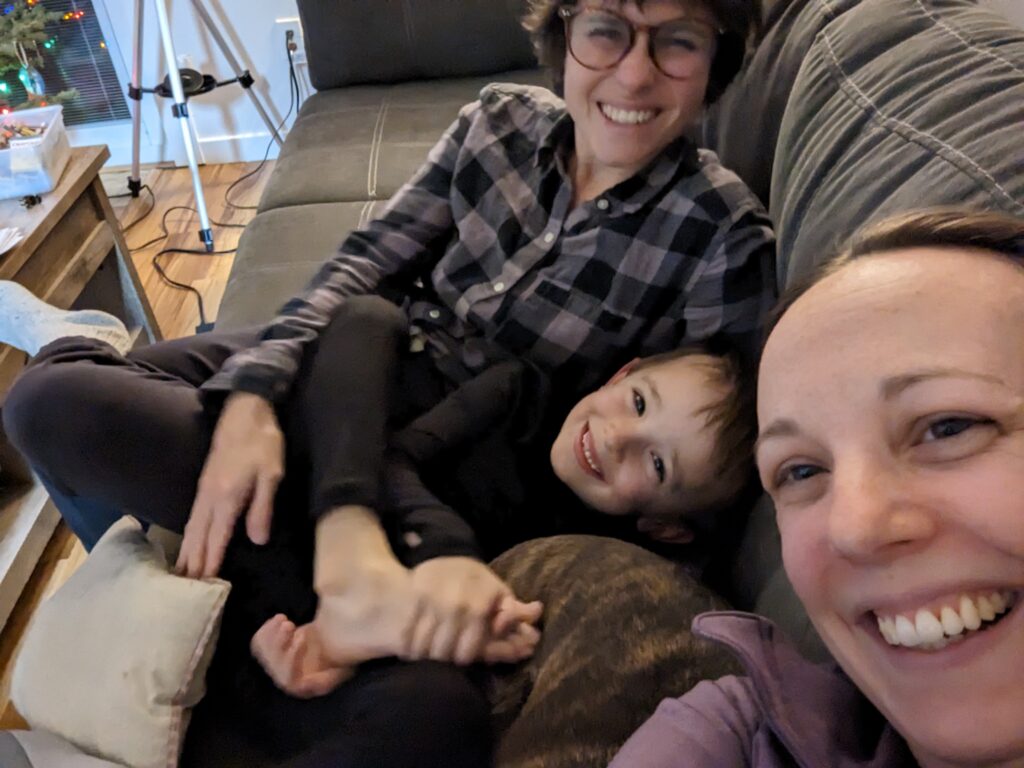
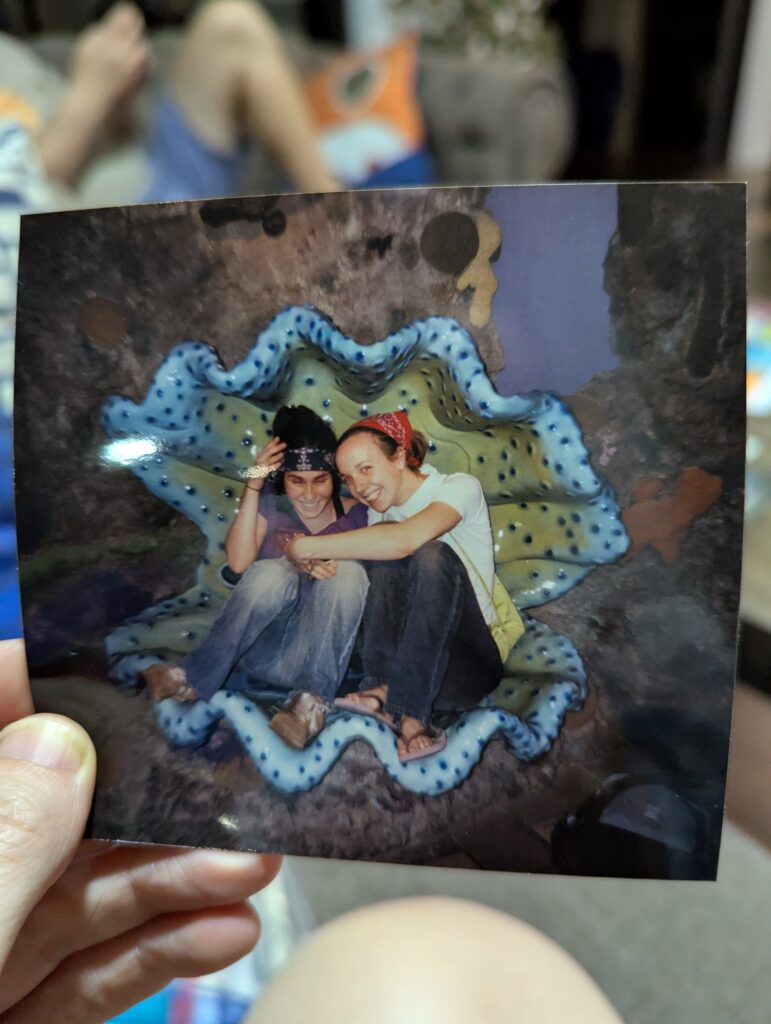
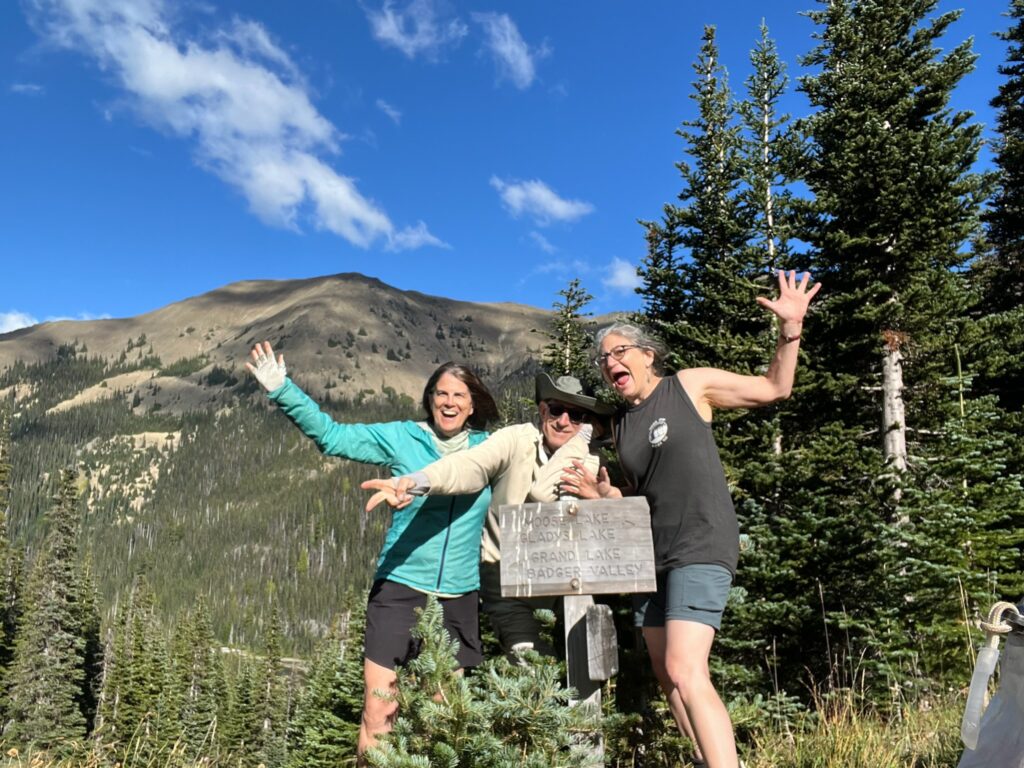
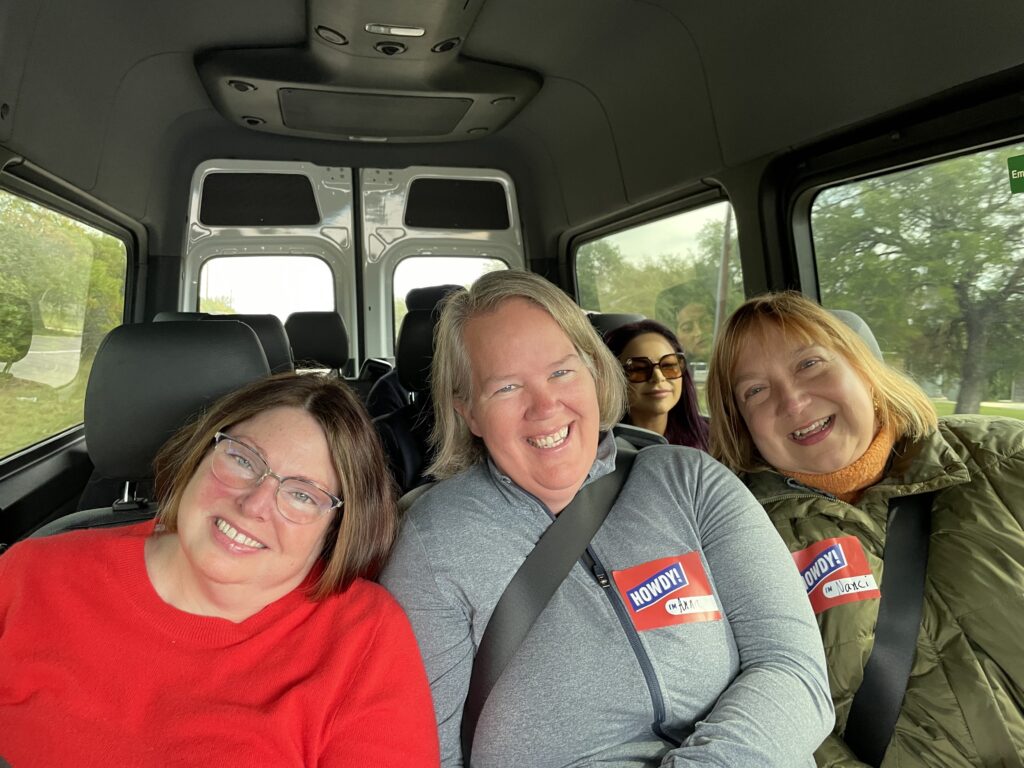
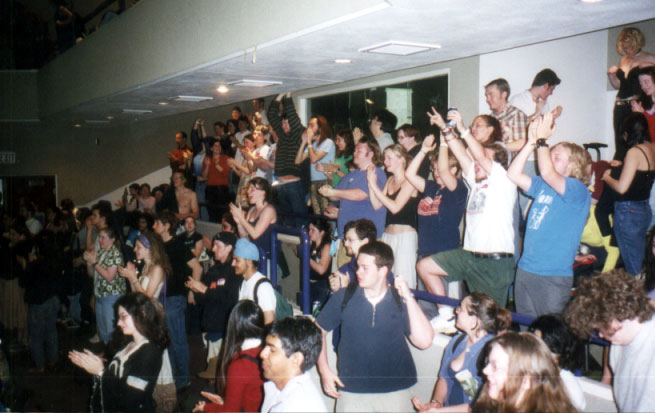
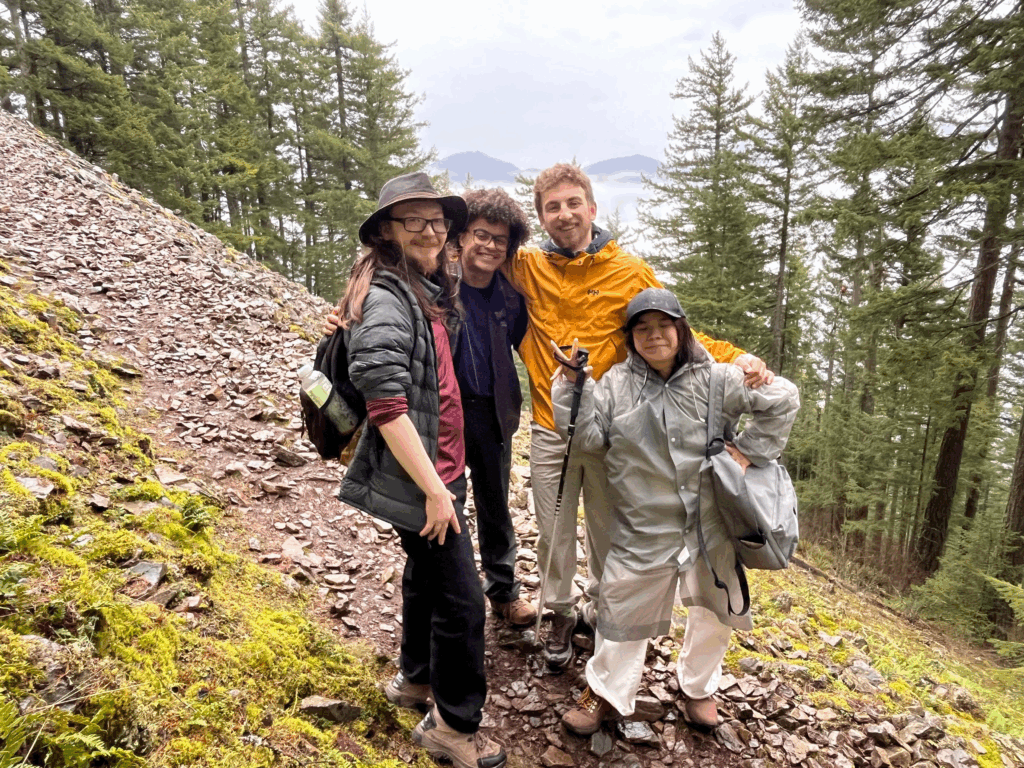
Some Reedies have a knack for gathering people and for putting on a Reedie sort of party. Harry Mersmann ’82 was that kind of person. After he passed away on June 22, 2026, a group of his classmates gathered in Yosemite over Labor Day weekend to celebrate his memory: Sunny Childs ’83, Paul Edison-Lahm ’83, Stephen Engelmann ’83, Katie Laris ’83, Sara Nichols ’83, Owen Shapiro ’84, and Mark Worthington ’83, along with spouses and family members:
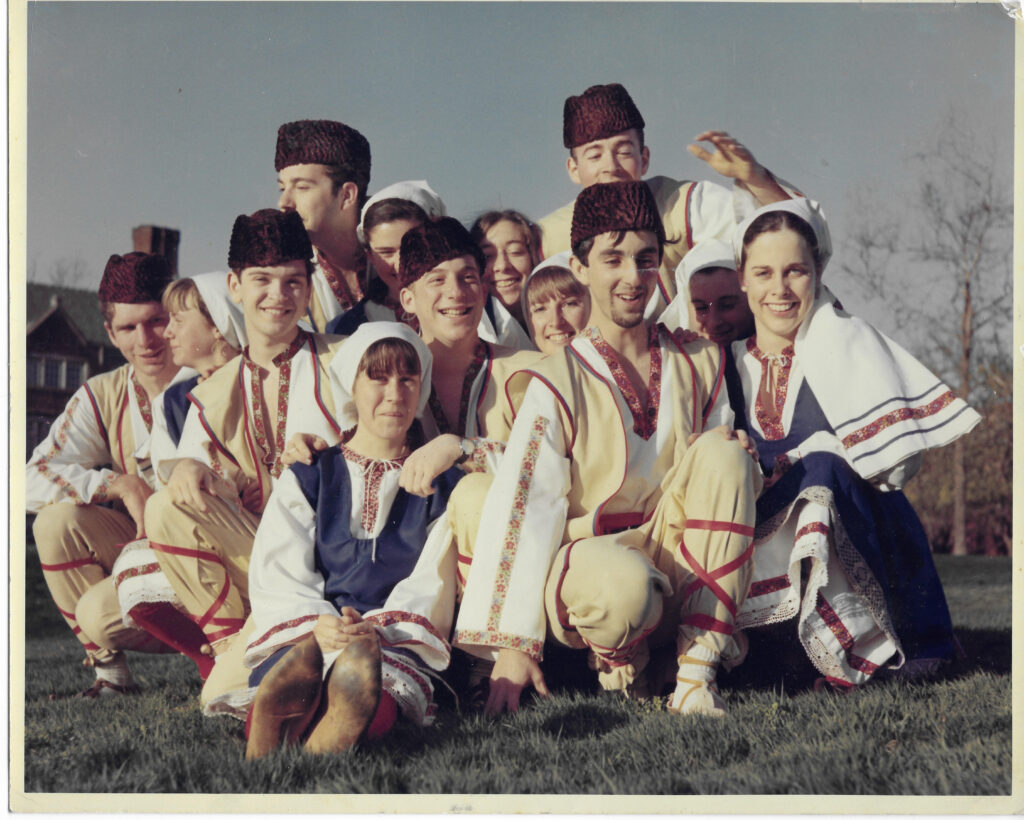
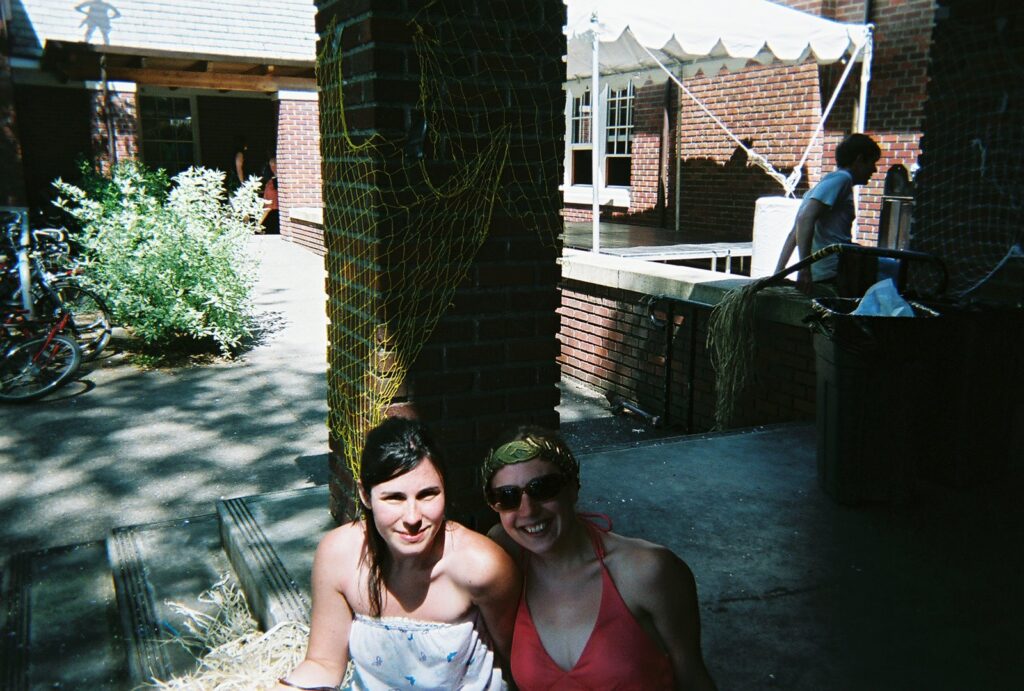
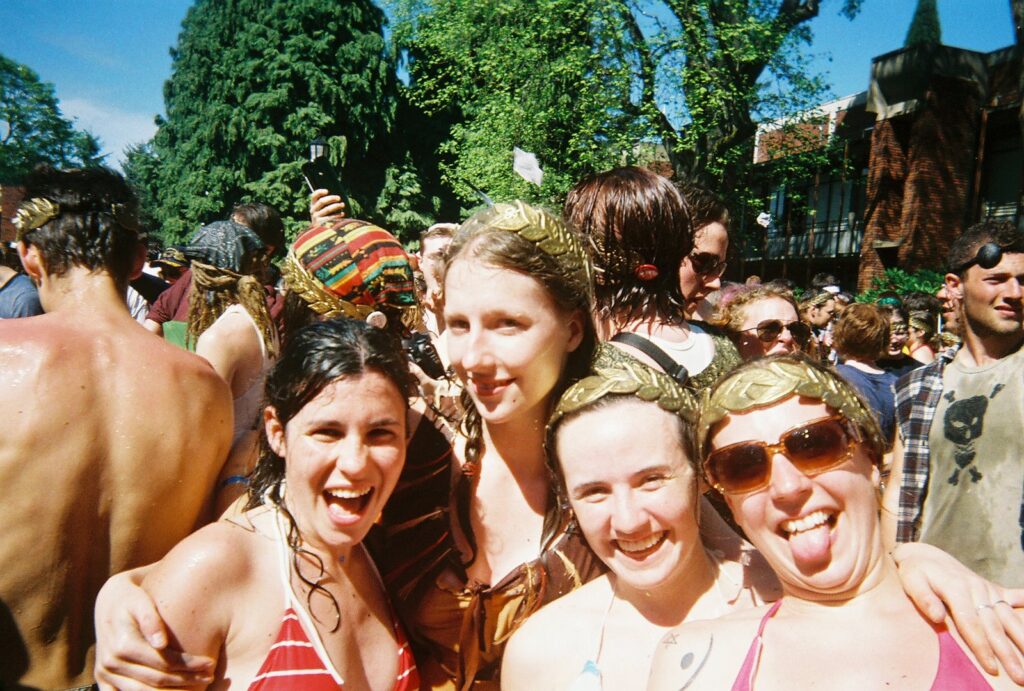
The group gathered annually for many years—in Yosemite, Lake Tahoe, Santa Rosa, and Ft Bragg. Harry was the sort who built friendships that literally lasted a lifetime. Many of the listed alumni have stayed in touch since their graduation, with Sunny, Stephen, Katie, Sara, and Harry all in this photo from their graduation:
Harry’s son, Max, who joined the group in Yosemite this year, is long-range planning a Harry type of memorial in Stockton, CA where he lived and died. Meanwhile, Harry is loved by so many in the Reed community that his friends are putting on a Zoom gathering just to talk about Harry on Friday, Nov. 20th at 10 a.m. PT – people who want to attend can register here.
On Wednesday, September 2, Visiting Assistant Professor of English, Robert Ribera, gave a lecture to Reed’s class of 2030 for their second ever class of HUM 110. He lectured on The Epic of Gilgamesh, with a talk called “How Would it End? Ain’t Got a Friend” (which references the song “What Did I Do to Be So Black and Blue,” utilized across Invisible Man, which be the final unit of HUM 110 this year).
Weeks before, Professor Ribera had put out a call to Reedies far and wide: “I was hoping to end by telling the students that they are going to meet some lifelong friends at Reed, perhaps right there in Vollum lecture hall.”
Responses poured out of the woodwork—many Reedies truly did make friendships of epic proportions during their time at Reed. Professor Ribera and the freshmen left Vollum with a sniffle or two.
See a selection of our favorites:
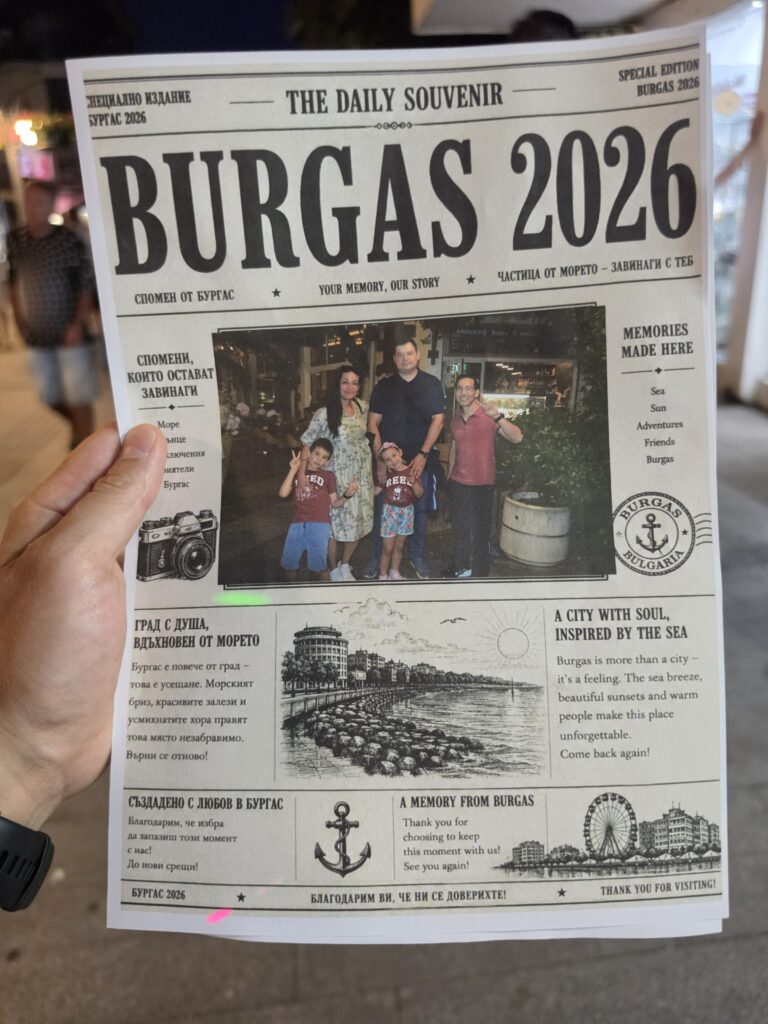
I’m currently relaxing on a couch in Burgas with my best friend, Alex ’04, and his family on my annual Bulgarian holiday trip. Bulgarian Disney junior is playing on the TV for the kids and I just read the request of professor, Robert Ribera. I thought I’d send a quick note that, yes, you will make life long friends at Reed.
Evan Hayashi ’02
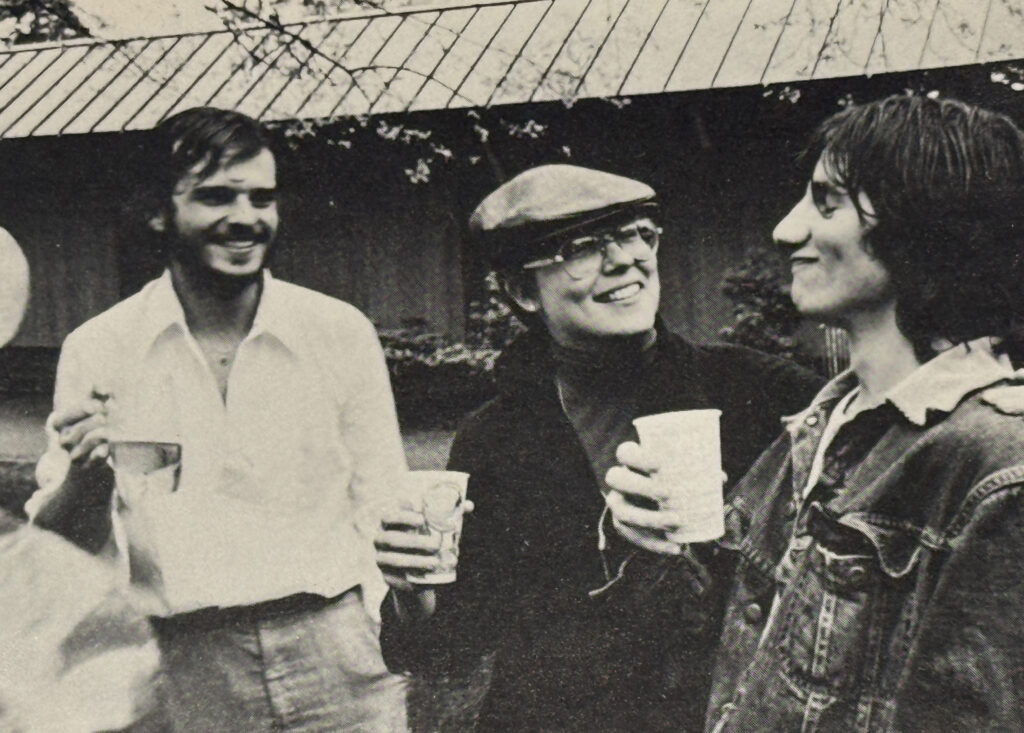
In the first black and white image from 1979, are (left to right), Mark Mosley ’81 , Beneth Sauer ’82, and myself (Jean-Pierre Masclet ’81).In the color image shot in New York City in 2023, a group of us chose to meet and see the Edward Hopper retrospective at the Whitney. (left to right: me, Beneth Sauer ’82, Felicia Value ’82, Jane Page ’81). We all met at Reed and have stayed friends ever since
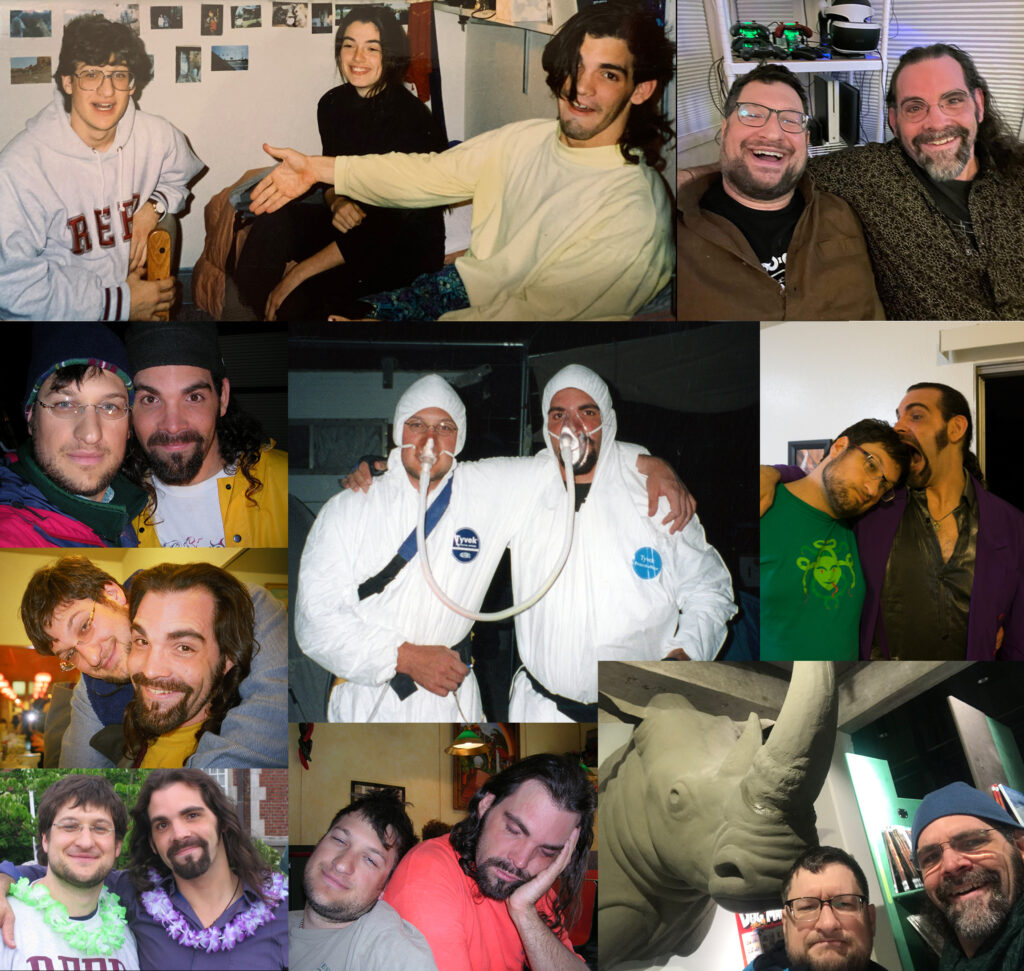
This is Noah Iliinsky (left) and Jer Faludi (right), both physics ’95. The earliest photo is probably in Sission dorm in the ’92-’93 school year. This photo montage was created for Noah’s wedding.
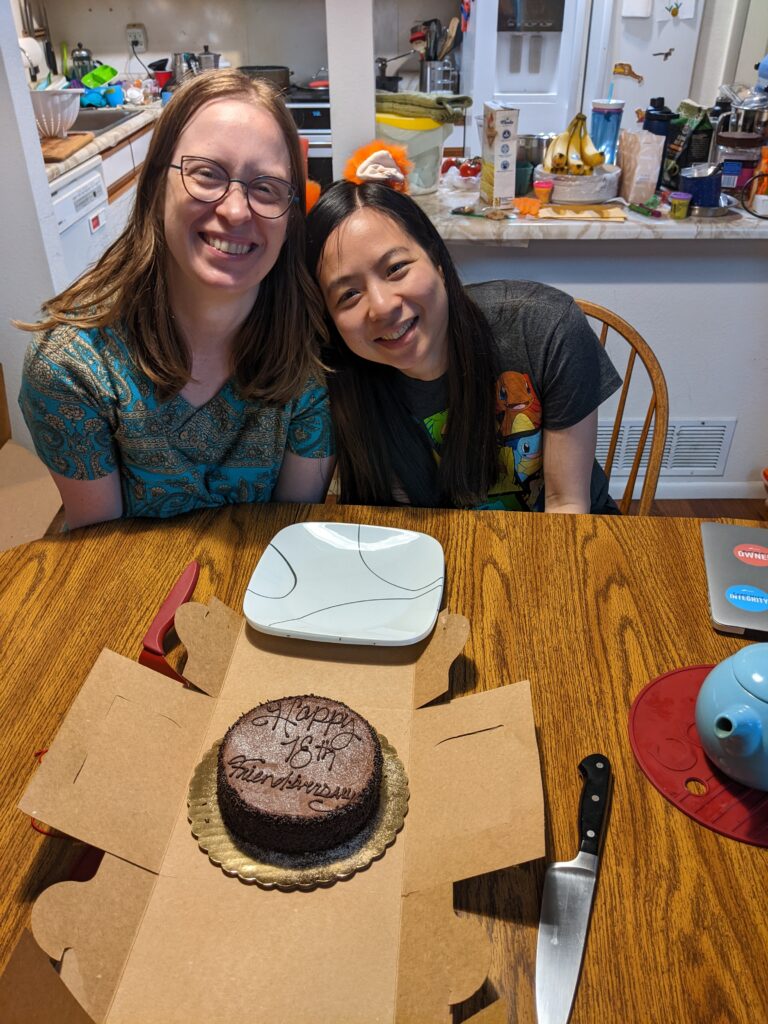
Tina Le and Jessa celebrating their 18 years friend-iversary after meeting at Reed, where they took HUM 110 together.
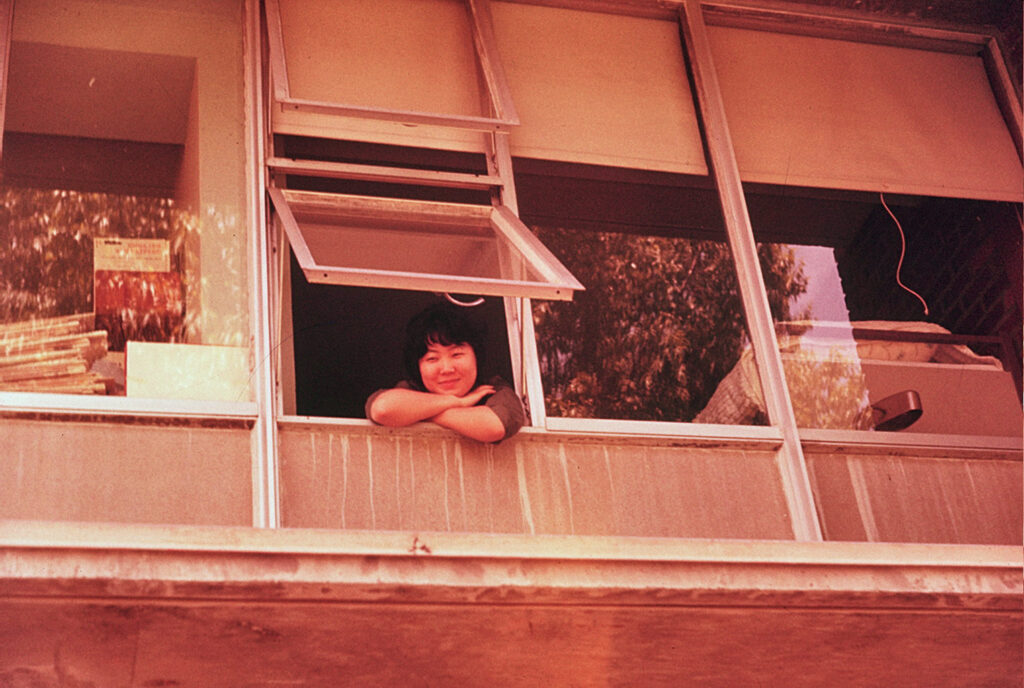
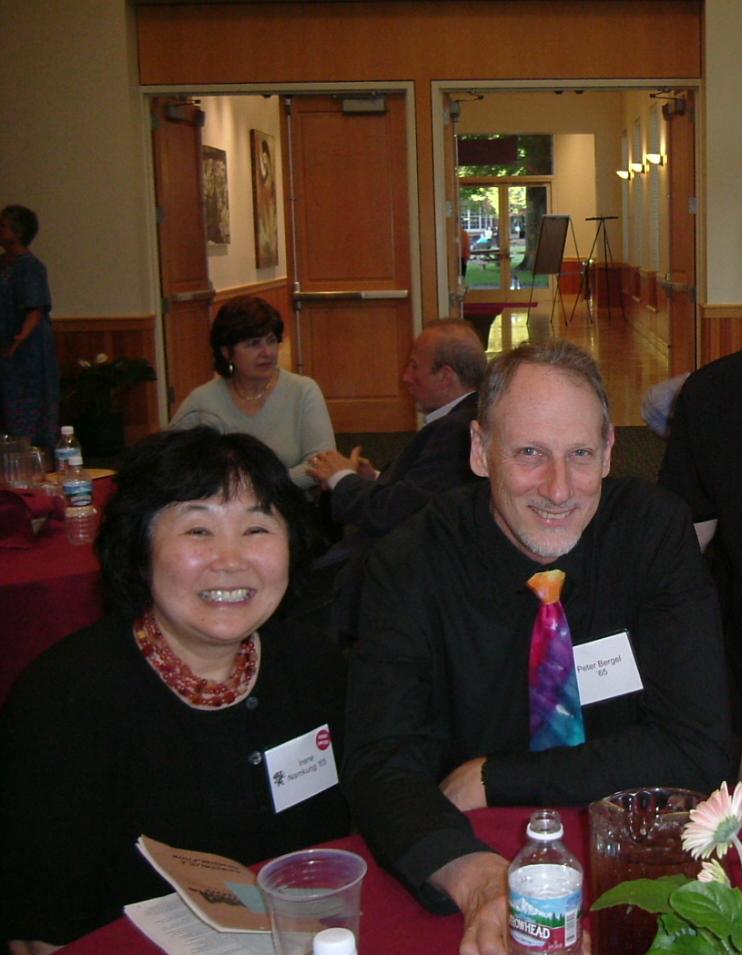
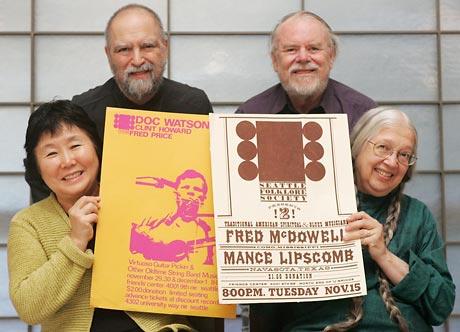
John Ullman ’65 wrote in about his wife, Irene Namkung ’65, who he met in freshman year:
“I suppose Irene counts as a friend. The first was taken in Fall 1962, or maybe spring 1963, our sophomore year. She’s looking out of her room in McNaughton, second floor. The second slide is Irene with Peter Bergel at our 40th Reunion. Peter has been a life-long friend. The third is with Phil and Vivian Williams who graduated a few years before us. They collaborated with us to start the Seattle Folklore Society. The pic is from a Seattle Times article from 2006 about the Folklore Society’s 40th anniversary.
Making life long friends doesn’t begin to tell the story, at least for us. There were at least a dozen Reedies, probably more, who impacted our lives in profound ways, quite apart from anything academic.
Never thought of ourselves as characters from Gilgamesh, though.”
I met my best friend (and former husband) Jeremy Stone at Reed. As did many of my classmates! Here is us in freshman year.
Anne Pearson ’99
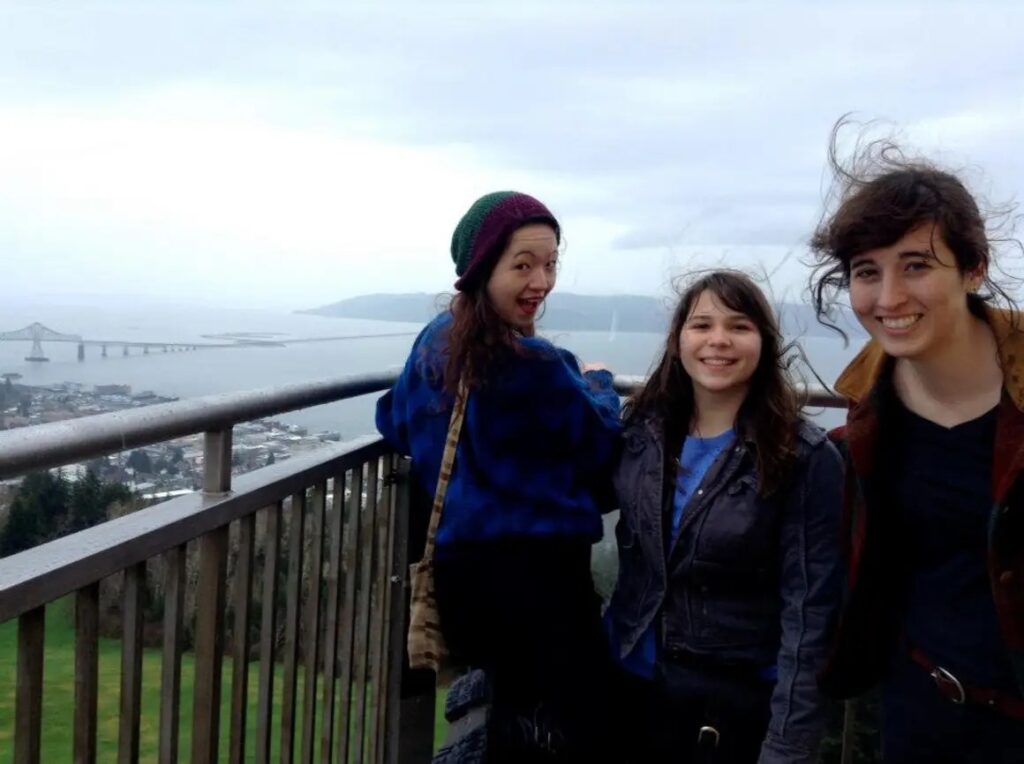
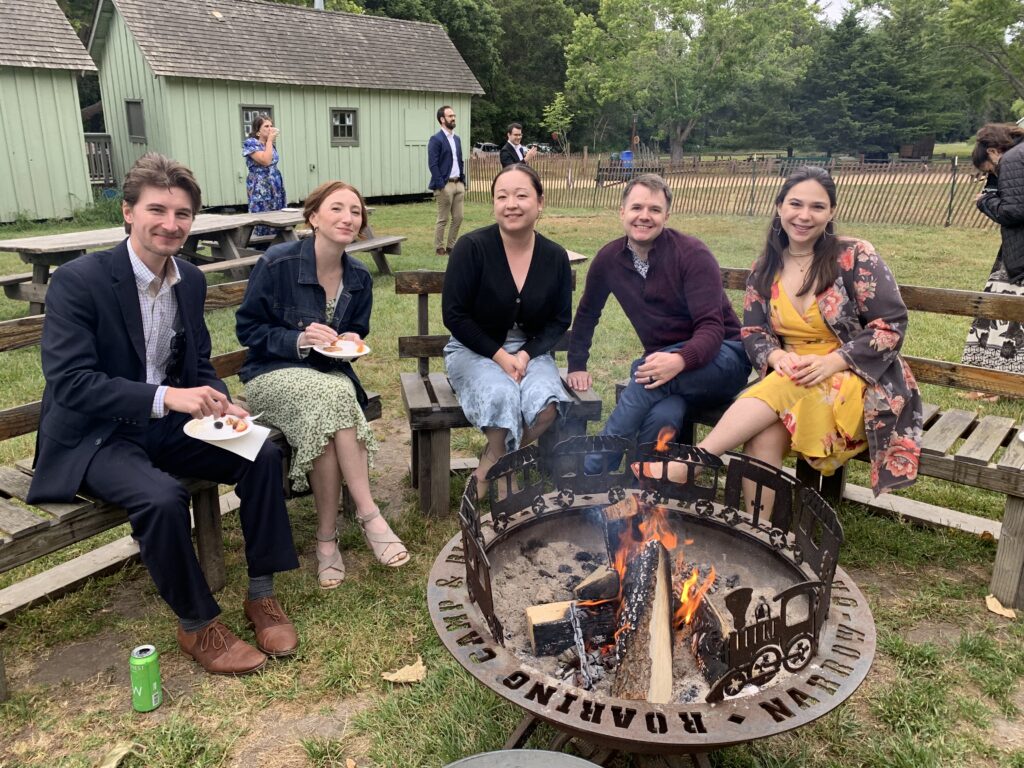
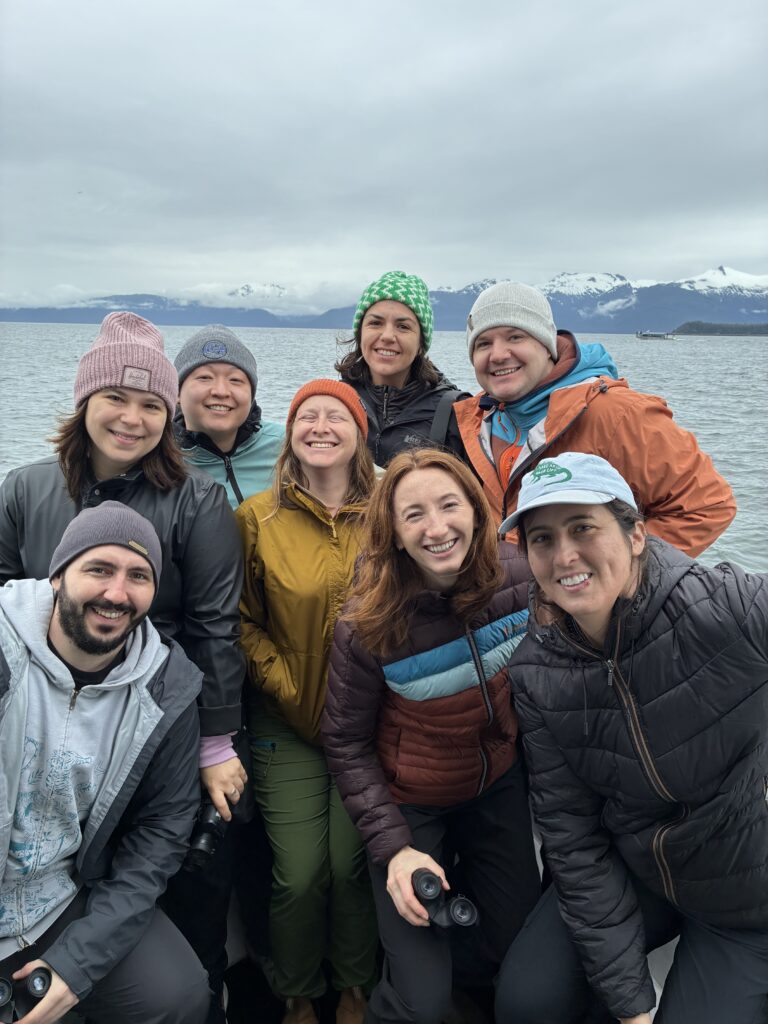
Two are from our time at Reed (graduation and spring break in Astoria). We graduated in 2014. The other two are pictures from a wedding and our group trip to Alaska in 2025. Despite living all over the country, we have remained friends and see each other every year or two! Alumni pictured: Lisa Hiura ’14, Nisa Beceriklisoy ’14, Larisa Owechko ’14, Phoebe Young ’14, Alan Bauer ’13
Phoebe Young ’14
Larry Randall and Judith Gedney Baggs, class of ’64, remain friends.
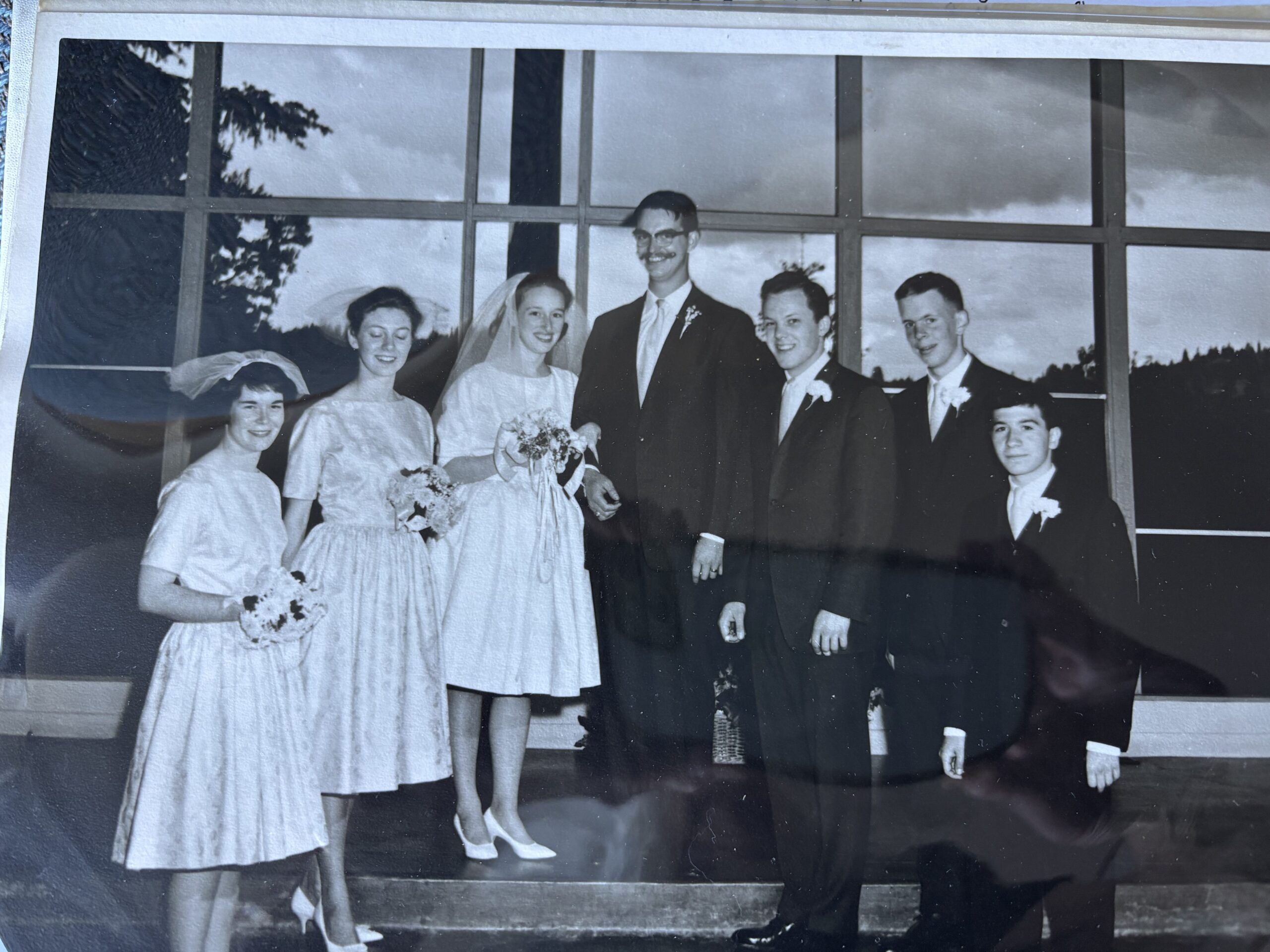
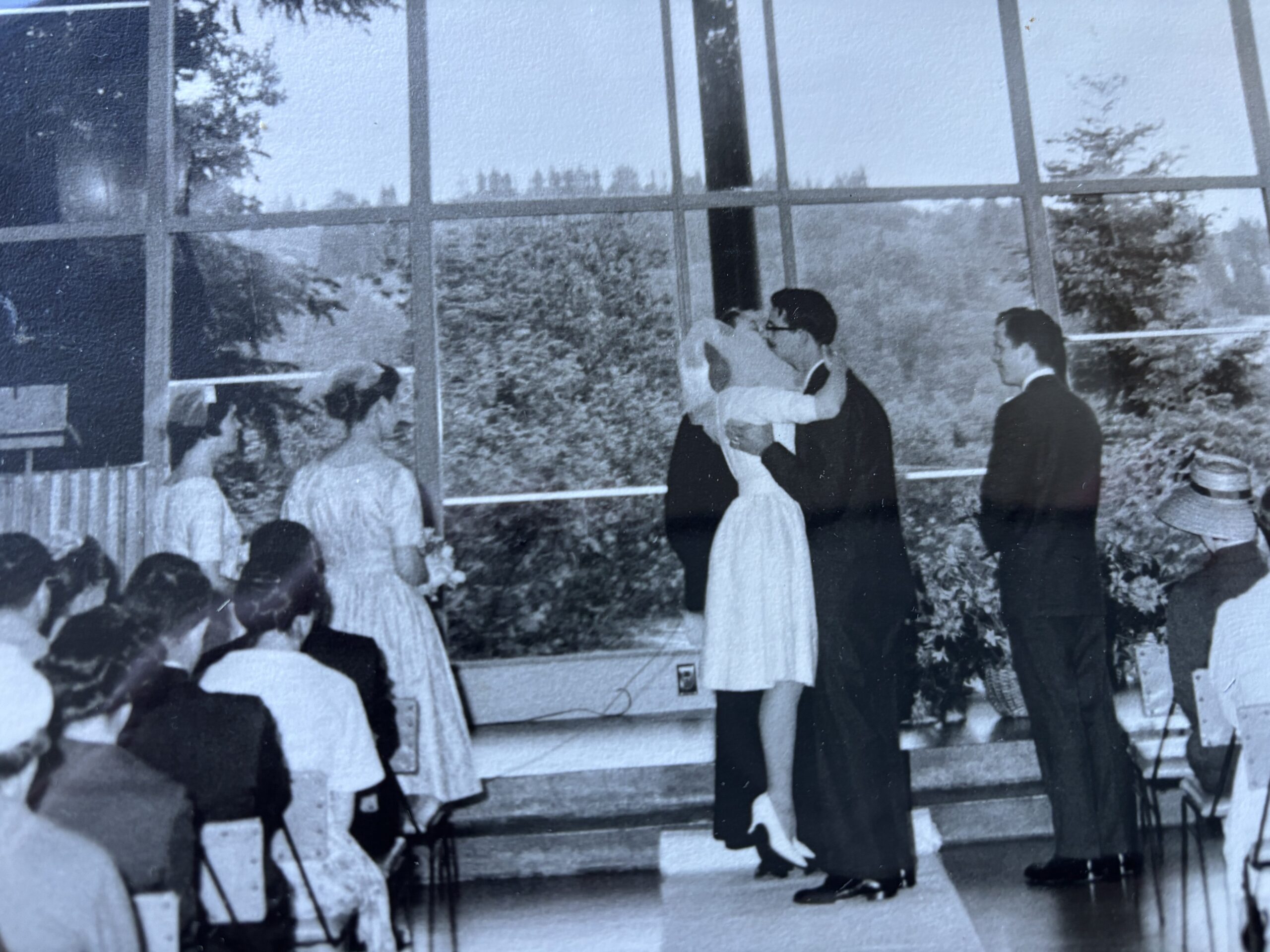
Larry and Judith have been friends since Reed days in the early 1960s. Larry lived in Quincy with Judith’s spouse, Ray, for their freshman and sophomore years, until Judith and Ray married in 1962. At the wedding, Larry was the Best Man. They all moved apart after Reed but had a few in-person visits in New York state, California (on Larry and Marla’s cross country honeymoon), and Washington state. Ray died in 2023, but Larry and Judith, both of whom now live in Continuing Care Retirement Communities, in New York and Seattle respectively, have kept in touch. Larry provided advisement to Judith when she moved.
Photos show Ray and Judith’s wedding, with Larry as Best Man
Bonnie Stockman and I became friends in fall 1967, when she was a freshman and I was a sophomore. We bonded over folk dancing, which was very popular at the time, sourdough pancakes, and in later years, horses. Here is the Peach Jam Story. In 1968, we found ourselves in the same city at the same time. Our first visit consisted in catching up on gossip about mutual friends. For the second, however…what else was there to say? Was continuing gossip healthy? I had a bag of peaches and she knew how to make jam. We spent the afternoon making peach jam, laughing and engaged in kitchen creativity. The lesson we both understood was that friendships endure when they are based on shared life experiences and mutual passions (and delicious jam is always a good thing.) We remained best friends over the decades, living in different states, and vacationing together with our families. When she was diagnosed with ovarian cancer, I flew up for some of the initial rounds of chemo. Almost 5 years later, in 2013, she asked me to come when she entered hospice. I helped to take care of her and her family for the final 6 weeks of her life. I wrote her obituary for the Reed magazine. Here are a few photos from across the years.
Deborah J. Ross ’68
We all met in 1972 at Reed. We’ve stayed in touch since then over the years. From all over the US (NH, MA, MT, MI, NY, CA), we shared houses all over southeast Portland from Holgate, to Hawthorne to Carleton Street. Two of us became dentists, one a hand surgeon, one an ophthalmologist, one an investment banker, another an attorney and another a college professor. Scattered after Reed to the four winds, New Hampshire, Washington, Oregon, Montana, Wyoming, Connecticut, London, California. We are constantly in touch, messaging photos of our journeys…hoping to rendezvous once again soon… once we are all on the same continent at the same time!
Art Lyford ’76
From Rafeal Gurvis ’77: “A group of LIFE LONG FRIENDS from the classes of 1976 and 1977 are shown in these 4 pictures. Not every picture shows everyone, but between the 4 pictures most members of the tribe are shown. We got together over the decades for various joyous occasions:”
Lolo Scheiner and Beth Melton (née Ungerecht), both class of ’06, met during Prospie week. They immediately connected and spent the week together – eating in Commons, touring the dorms, and buying their first Reed sweatshirts in the bookstore together.
This was before the era of cell phones, so they stayed in touch by email when they headed back home. They both chose Reed as their first choice, and when they arrived, were in neighboring cross-canyon dorms (Bragdon and Chittick).
They spent much of their time at Reed together. Parties in the Bragdon hallway and the Chittick balcony (RIP), knitting or studying in each other’s rooms, and even going in together on a slightly functional $600 car so they could get off campus.
Lo and Beth shared a thesis office in the psychology department. When Lo graduated a semester early, Beth’s disposable camera roll (remember, no cell phones yet) was full of blurry photos of her rainy spring-fall thesis parade.
After graduation, they went their separate ways, Beth staying in Portland and Lo headed to New York. But, as fate would have it, they ended up back in the same place – Boulder, Colorado – as Beth started her first teaching job and Lo started grad school.
They haven’t had the opportunity to live in the same place again, but it doesn’t matter. They talk constantly, sending each other “which bird are you?” quizzes, obscure questions about niche linguistic observations, and photos of the new and interesting plants and fruits they find. Weddings, kids, land projects, road trips – they are in it together. Friends for well over half their lives.
We met at Reed in the early 1980s. Cathy and Louis bonded during an Orientation Week hike in the Mt. Jefferson Wilderness. Laurie and Louis met in Hum 110 conference. Cathy and Laurie met later in an Anthropology class and lived together senior year, enduring the trials and tribulations of our theses. Over the past four decades, we’ve stayed in touch across the miles – attending weddings, bat mitzvahs, sharing meals and lively conversations in Seattle, Boston and points in between.
Cathy Baker ’86
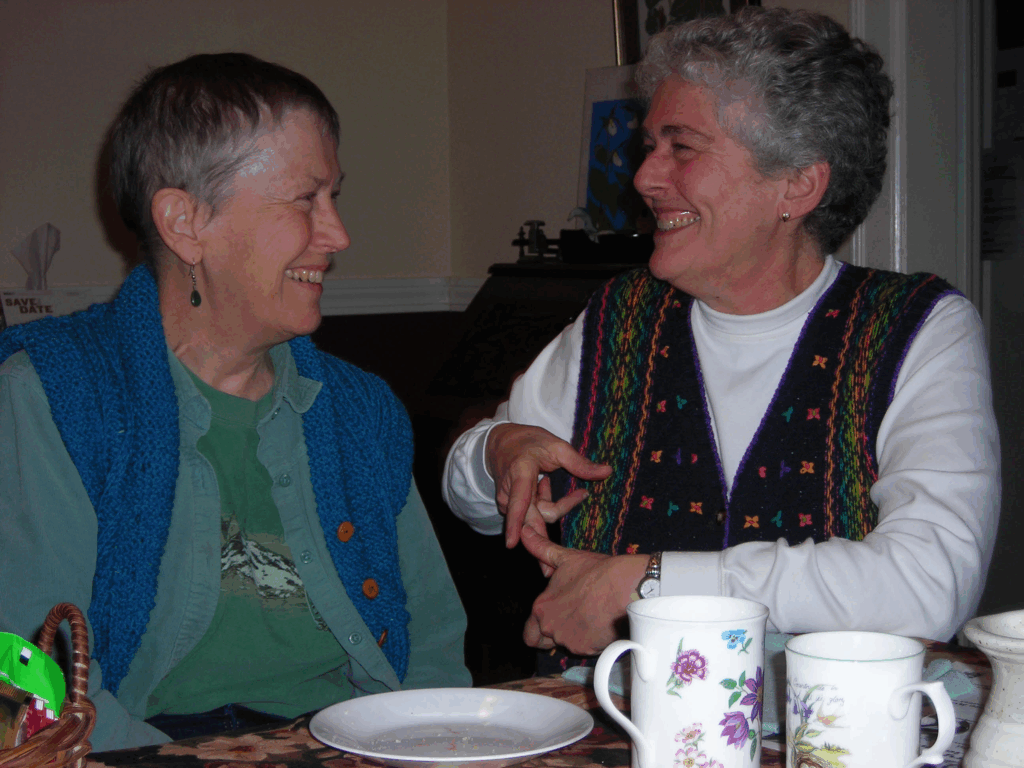
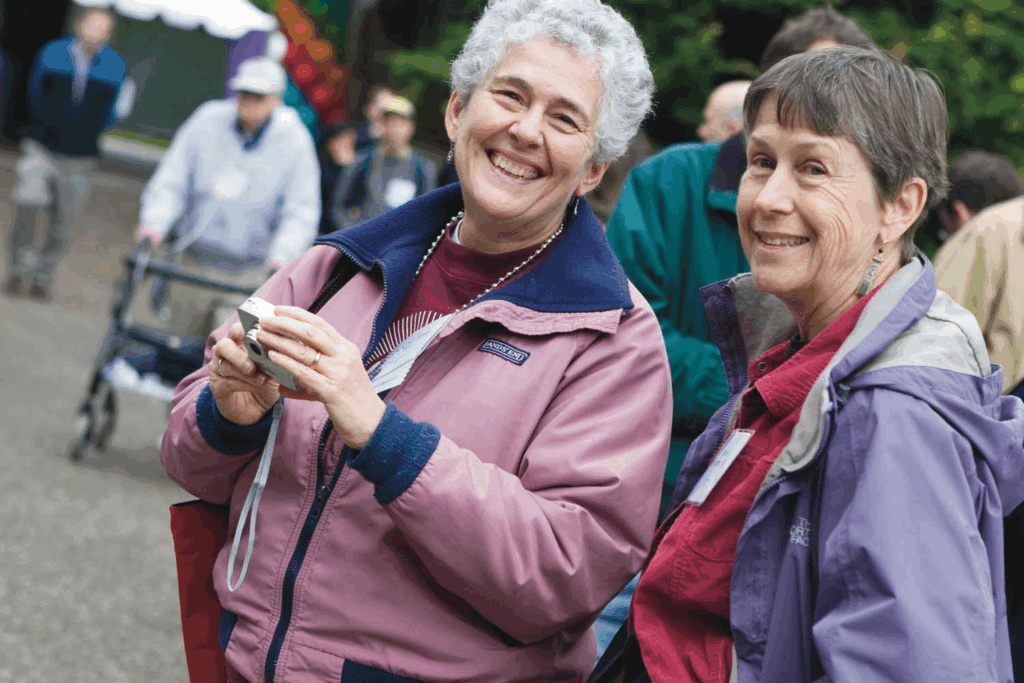
From Ann Campbell ’94: “Anna Billstrom ’94 and Nanci Surrett were my best friends. Nanci transferred to Mount Holyoke during her junior year (lots of people used to transferred out of Reed in the early 90s), but we’ve all stayed close over the years.
Nanci was my roommate during my first year of a PhD program at Emory in Atlanta. We lived together during 1994-1995. Anna and I have gotten together at reunions or on trips many times over the years. All three of us traveled to Austen in 2022.
I always tell students in a class I teach called “Applied Austen: Emotional Intelligence in Austen’s Novels” that you cannot make new old friends. Maintaining friendships is as important as cultivating new ones. Anna and Nanci have been important to me for more than 30 years now. And it’s great to make lifelong friendships at Reed, because you find out quickly once you graduate that Reedies are unusual people. They’re smart, quirky, funny, imaginative, and just interesting to know. They are great conversationalists. You never get another shot at that sort of concentration of “clubbable” (Samuel Johnson’s term– although it was actually “unclubbable” as applied to a boor) people in one place. “
As Professor Ribera said in his lecture, “look around you. In the coming weeks, semesters, and years, some of the people sitting around you will become your own lifelong friends.”
Who were your epic friends from your time at Reed, or the Reedies who have become your friends since?
A group of freshman during the last session of HUM 110, A cluster of them near the back have remained friends to this day. Courtesy of Zach Babb.
It’s your local Reed they/them, Griffin ’28. Now it’s been a little while since you last heard from me (since Reunions!) I know I know I left for too long–I’m sorry but everyone has to have a little vacation time; it is summer after all…. But I’m back! Since the powers at be for this blog have let me run wild with my own ideas, I figured it would be fun to write a little post about my absolute favorite section of the circle of life: DecaaaaAAAAAaaAyyyy. (that was supposed to be singing).
Ok, ok, I know what you’re gonna say: ewwww Griffin, decay is gross and nasty and smelly and gross why would I want to pay attention to an article about rotting? But if you just stick with me here for a second I will show you super cool stuff about decay and some of the places on campus YOU can get your hands on alllllll types of decay!
Starting off: the answer that I’m pretty sure everyone was already thinking: the canyon! While the beautiful Reed canyon acts as the students’ metaphoric wall between dorm life and classes, it also has an absolute abundance of species that most students walk over everyday without noticing. We can start with the mushrooms!
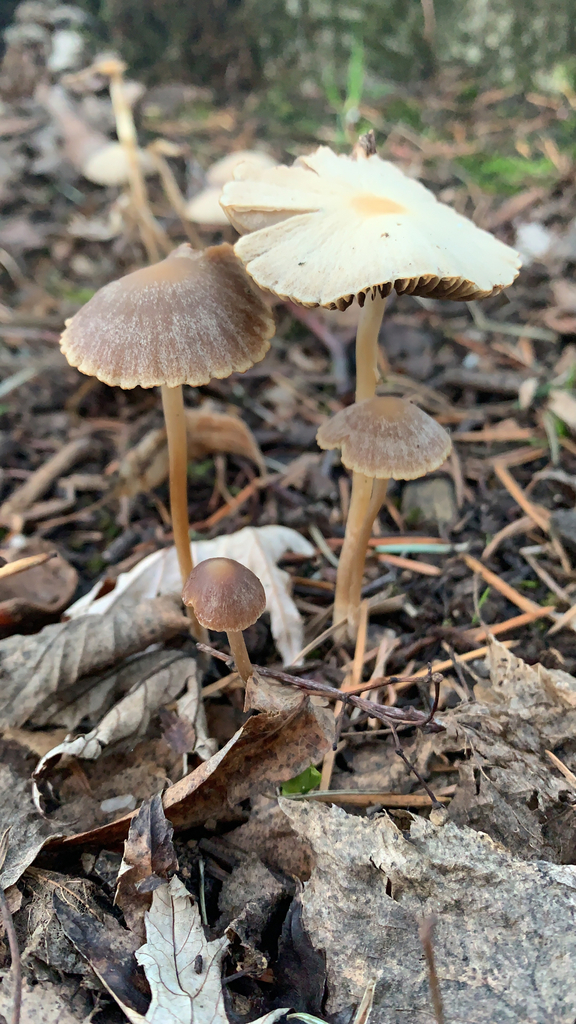
I could spend all day reciting the different species of mushrooms that I have found on campus but I’m gonna let you know a couple highlights of these excellent decomposers that help keep our soil nourished! Under the blue bridge and scattered around the canyon trails, there are fallen trees and logs that are one of the favorite hosts of Scurfy Twiglets (they have socks–look it up), all types of bonnet mushrooms, and the Red edge Brittlestem (the edges are white why would they call them that?).
Red edge brittlestem found near campus
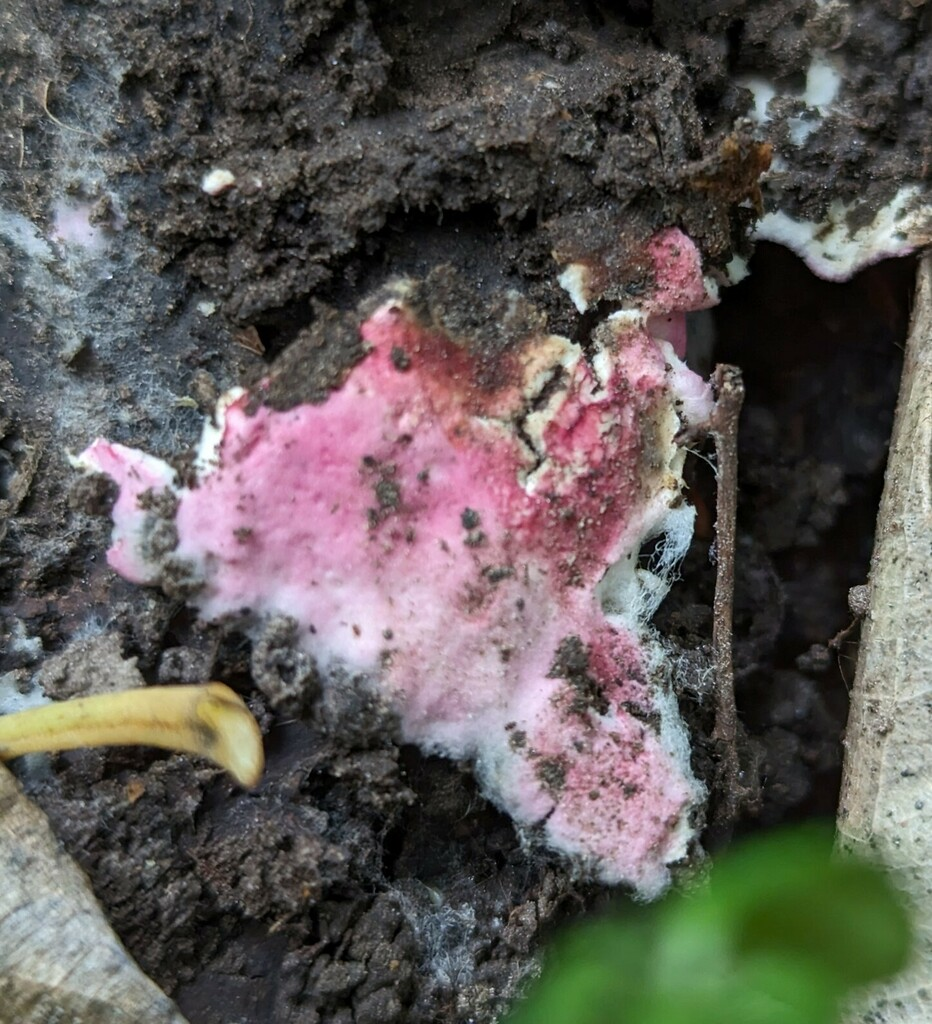
If you keep your eyes planted on the soil (get it?) then you’ll definitely be able to see some California Flat top Agaricus. They are one of the most abundant species on campus and easily recognizable with their beautiful pink gills on the underside of their white cap. If you love pink, good news for you, there are other mushrooms on campus that are full of it, like the artist conch and and Pink Polypore Mould:
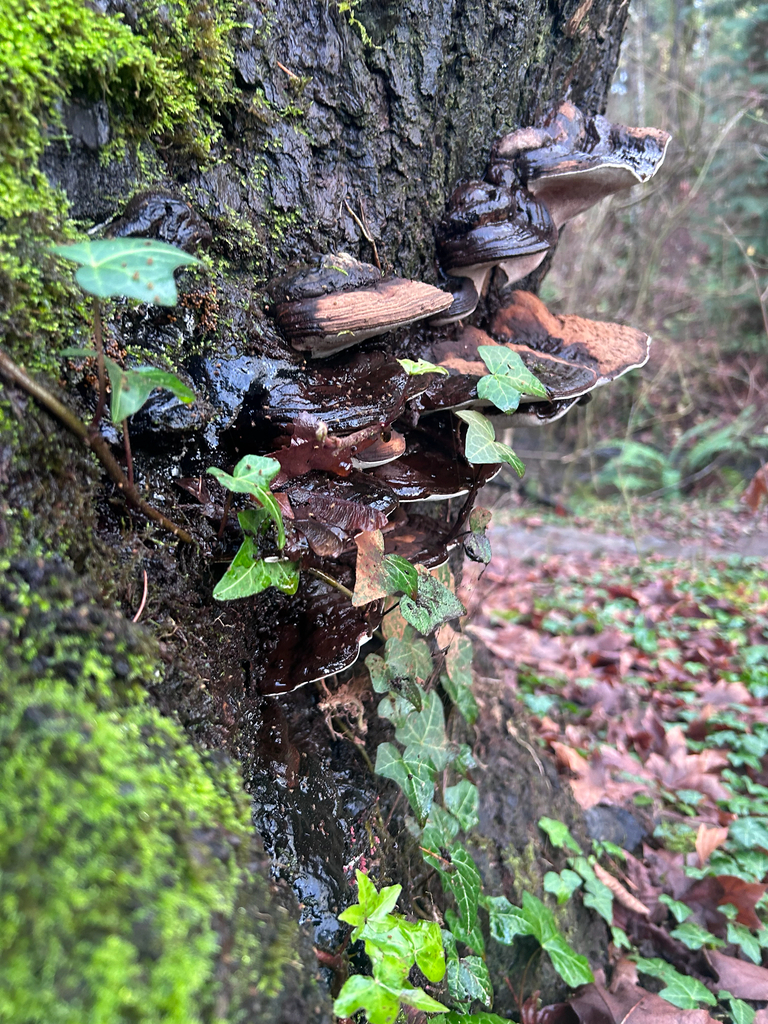
Artist Conk in the canyon, covered in invasive English IvyPink Polypore Mould from elsewhere in Multnomah County
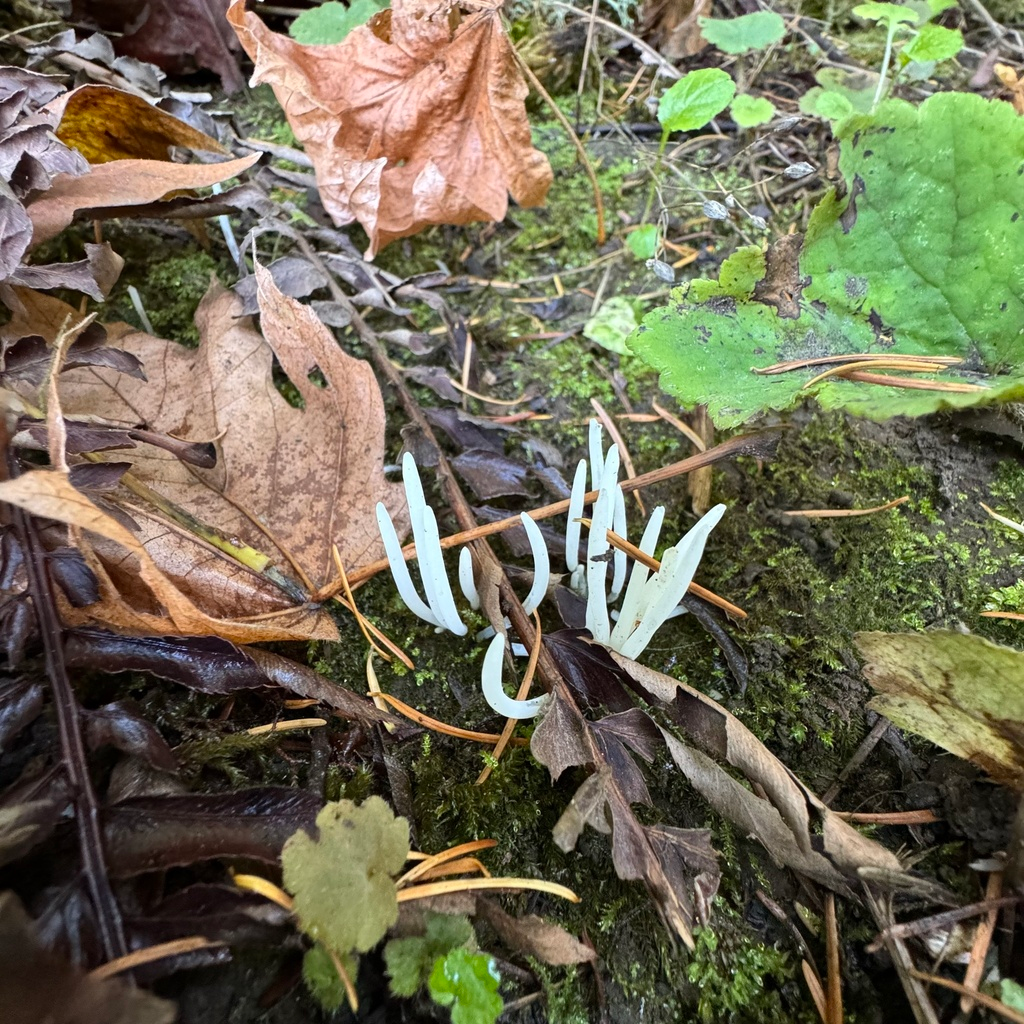
If your tastes are a little more…alien, then keep an eye out for ruffled seeming piles of leaves in the fall. You might be able to see some of the creepier fungi on campus with the Wrinkled Club Fungus or Fairy Fingers. I find them most often on the north side of the canyon for some reason.
Fairy fingers in the canyon
You can also use one of my absolute favorite Reed resources, The Reed Tree Map, to find the locations of specific species of trees on campus. This will help you pinpoint where you need to be looking for more specialized fungi, like the red spongey oak-loving bolete and the Brown Birch bolete, both of which often grow off the roots of their respective tree.
Across campus, you can find many of the other visible members of the F.B.I. (fungi, bacteria, invertebrates). My personal favorite are the many slug species that we have on campus. While you can find them often sliming around tree stumps in the canyon, I find that the best place to pack in as much slug-watching as possible is the moss covered retaining wall in front of the Reed Garden House. The most important thing to remember for the hunt is that they are nocturnal!
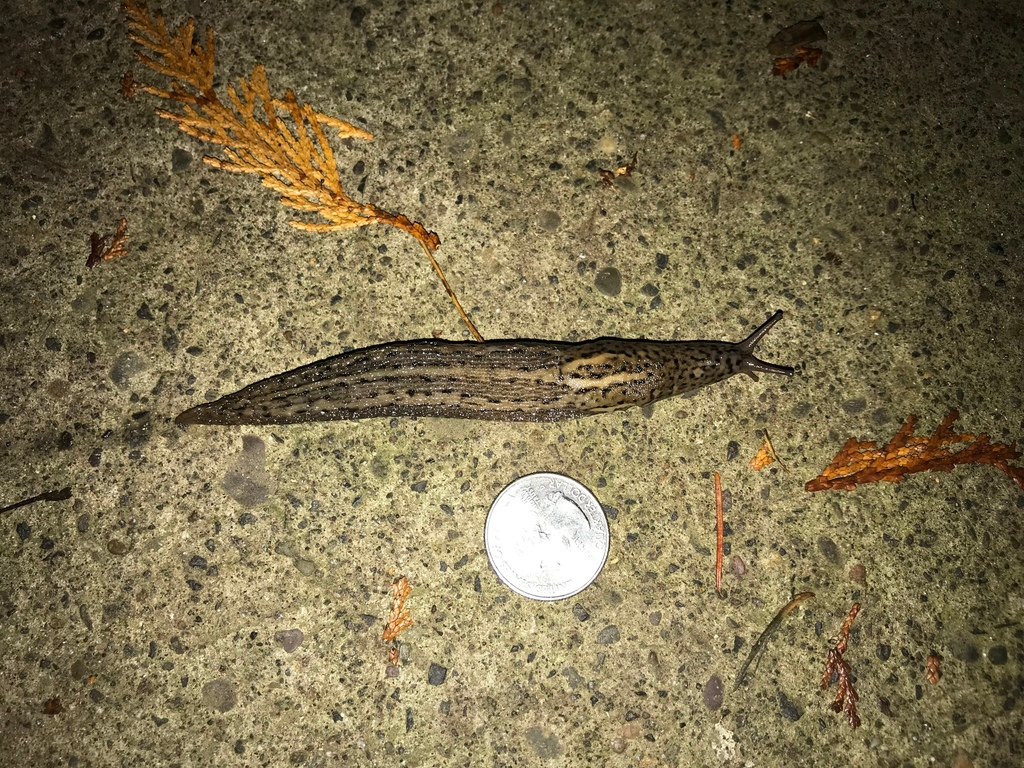
Some wild species you can see on campus include cellar slugs, meadow slugs, milky slugs, three band garden slugs, Western dusky slug, and the big papa who rules the wall: The Leopard Slug.
Leopard slug on campus, with a quarter for scale
Leopard slugs are the second largest terrestrial slug species in the world, are incredibly fast (6 inches per minute), and have excellent homing skills, meaning they sleep in the same location every day. I personally have four pet leopard slugs that are each about seven inches long and the width of a quarter. Yeah. When I said they were big I meant it. I love my slimy children.
Altogether, these detritivore species that are found all across our wonderful campus help to keep our canyon balanced! They are essential for all flora and fauna life on campus, including the wonderful food that is grown in the campus garden for the Reed Community Pantry. While they may be a little bit creepy or weird or slimy, I encourage you to to take a look down at the floor next time you’re walking somewhere lush and see if you can see the little housekeepers that keep our world moving.
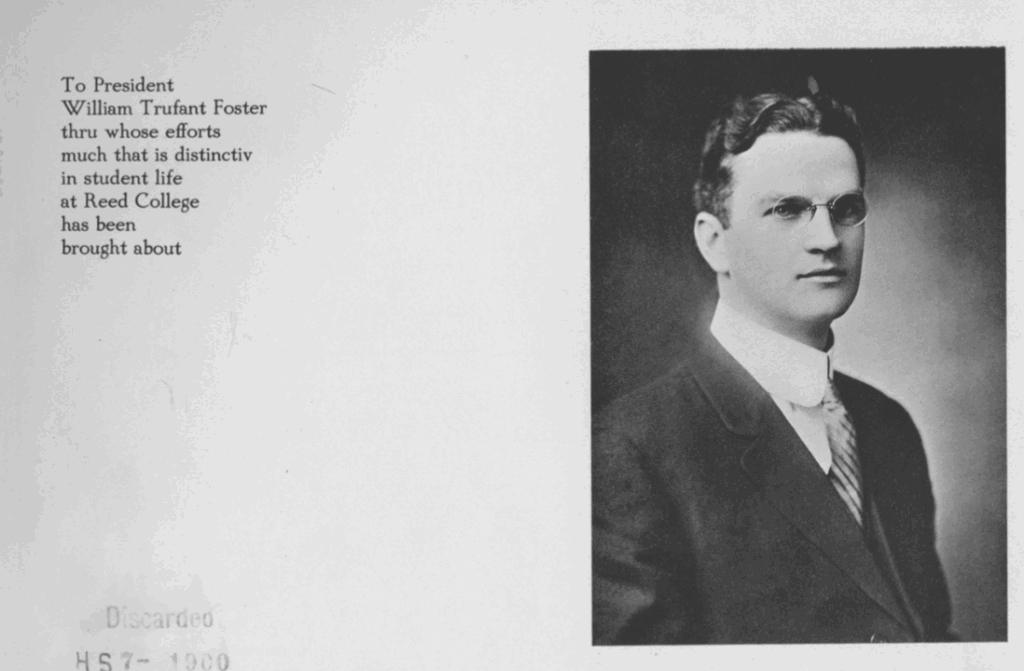
William Trufant Foster, the first President of Reed College, was a strong supporter of reforming the spelling of the English language. In 1909, while a professor at Bowdoin College, Maine, he was on the Advisory Council of the Simplified Spelling Board as well as being the Chairman of the Executive Committee of the Maine Center of the Simplified Spelling Board. When he was appointed President of Reed in 1910, he brought his convictions about spelling with him.
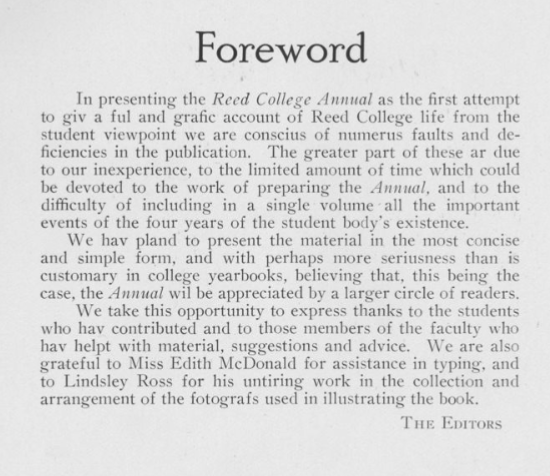
Due to Foster’s influence, simplified spelling was used in many of the college publications. Perhaps the most notable was Reed’s first yearbook from 1915. The students of the initial graduating class compiled it and included an explanatory note on the verso of the title page that read:
Note—The simpler, briefer and more fonetic forms of English spelling recommended in the first four lists of the Simplified Spelling Board ar used thruout this volume
One of the opening pages of the Yearbook, which features a uniquely spelled tribute to Foster
This publication confused readers then and continue to do so today; some think that these early students were woefully bad spellers. What follows is a sample paragraph from that first yearbook:
Other publications that reflect Foster’s simplified spelling influence for the period of 1911 through 1919 are the student newspaper—the Quest, the 1916 Yearbook, and many official college documents. Number 1 of the Reed College Record for March, 1911, notes that it “…starts out with simplified spellings—tho, altho, thoro, thoroly, catalog, program, addrest, publisht, thru, thruout” (from Simplified Spelling Bulletin, Vol. II:4, March 1911). It is interesting to note that several of these words have become commonly accepted today.
Besides influencing the college publications, President Foster wrote articles and gave talks in support of the new system. For instance, he addressed the annual meeting of the Inland Empire Teachers Association in Spokane, Washington, in April 1913, with a talk entitled “The Economics of Spelling Reform.” At least one Reed faculty member, Professor George H. Danton of German in 1915/1916, also supported the new spelling, and in fact served on the Advisory Council of the Simplified Spelling Board in 1913.
The Simplified Spelling Board was created in 1906 by Andrew Carnegie, who supported it for twelve years. In an article in The New York Times, he stated that he believed “English might be made the world language of the future” and thus encourage universal peace. However, its role was hindered by its “contradictory and difficult spelling” (NYT, 3/12/06). Many people adopted this idea besides Foster, including Mark Twain and William Dean Howells. In 1916, the Simplified Spelling Board restated its mission in the following manner:
The purpose of the movement is to hasten the process of rational orthographic change, to guide it in the direction of simplicity and economy; and gradually to substitute for our present caotic (sic) spelling, which is neither consistent nor etymologic, a simpler and more regular spelling, based on existing rules and analogies, and in harmony with the history and genius of the language.
By 1918, Carnegie gave up on the idea, since even the Carnegie Institution of Washington, D.C., did not use it in their reports. He wrote to the Board saying “I think I hav been patient long enuf…I have a much better use for Twenty-five thousand dollars a year.”
Original article by Mark Kuestner and Gay Walker, May 2009, additions by Tess Buchannan in 2026
This past year, Chemistry instructor Patrick Poletti utilized the Dye Garden to make indigo dye for the first lab of the semester in CHEM 102 – Introductory Chemistry.
For quite a few years, CHEM 102 has done an indigo lab where they synthesize indigo from 2-nitrobenzaldehyde and acetone. Once they have synthesized the dye, they use it to dye a test fabric swatch.
Instructor Poletti said, “Typically, the synthesized stuff works really well on spun polyamide (Nylon 6.6) as well as spun diacetate. Conversely, it chews up the worsted wool beyond recognition. A random conversation in the locker room at the sports center (of all places), made me aware that there was a healthy supply of natural indigo on campus.” He contacted Nar Johnson-Harmansah ’27, a Sustainability Intern and Studio Art student worker, who supplied the class with more than enough dried indigo leaves for use, in addition to a nice procedure to extract the dye.
To introduce the natural dye, they broke each lab section in half, with half of the lab groups making the synthetic indigo dye and the other half of the lab groups extracting the natural dye from the leaves. Each lab group first dyed a swatch with the dye that they had prepared. They then added their dye to the synthetic pool or to the naturally obtained pool and finished by dyeing a swatch with the dye that they had not prepared. The analysis included a comparison of the two methods.
About their findings, Poletti said, “Generally, we saw that the natural dye didn’t dye the swatches as darkly as the synthetic dye, although that could have been because I was guestimating on the amount of the natural dye to use.” It also took longer for the indigo color to evolve from the natural dye. The trend with respect to the relative success of dyeing the six types of fabrics was roughly the same between the natural and synthetic dyes, although the natural dye was markedly better at dyeing the worsted wool (i.e., it didn’t chew it up beyond recognition).
Experiments like these are a wonderful example of endless ways our community garden (located outside of the Garden House) can be utilized!
Read more about the Sustainability and Environmental Justice program at Reed through their website!
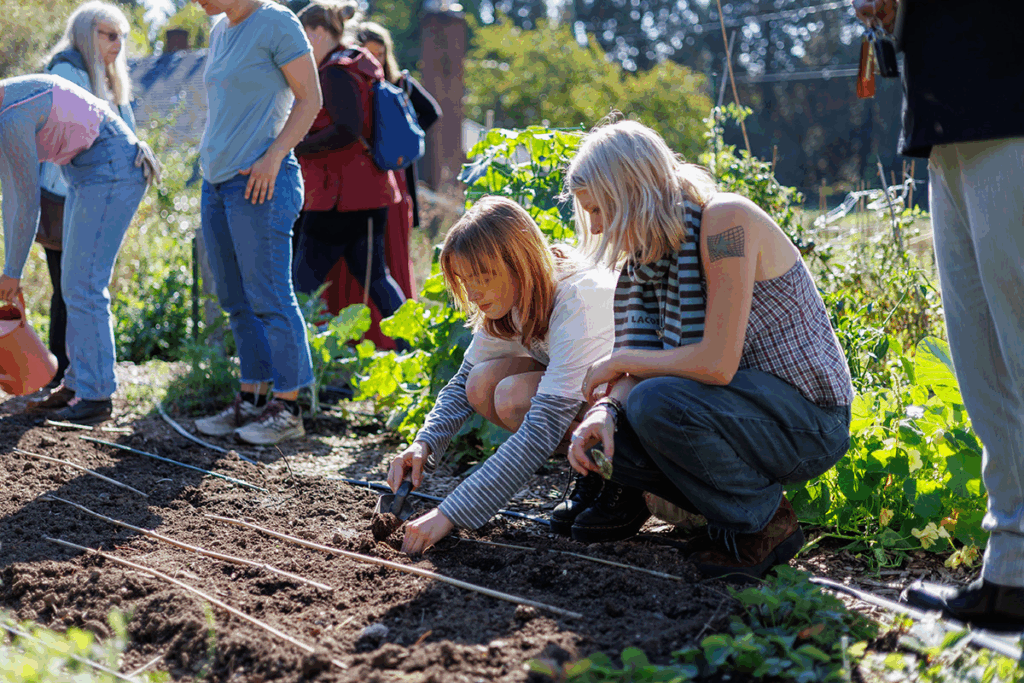
They host regular work parties, where students, staff, and alumni can lend a hand for whatever work is needed. In the past, this has been everything from harvesting pumpkins and squash, to adding compost to the garden beds, to installing a drip irrigation system.
Hail, Reedie reader! If you fancy yourself an expert on Olde Reed, or have a first-hand account of the car under the library, or captured a good photo of the otters frolicking in the canyon this week, you can submit a post as a guest writer for the Riffin’ Griffin!
Regale us with tales of Renn Fayres past, or capture our hearts with the story of that girl you met during freshman year who has been your wife for 37 years. Reed is, and always has been, what we make it!
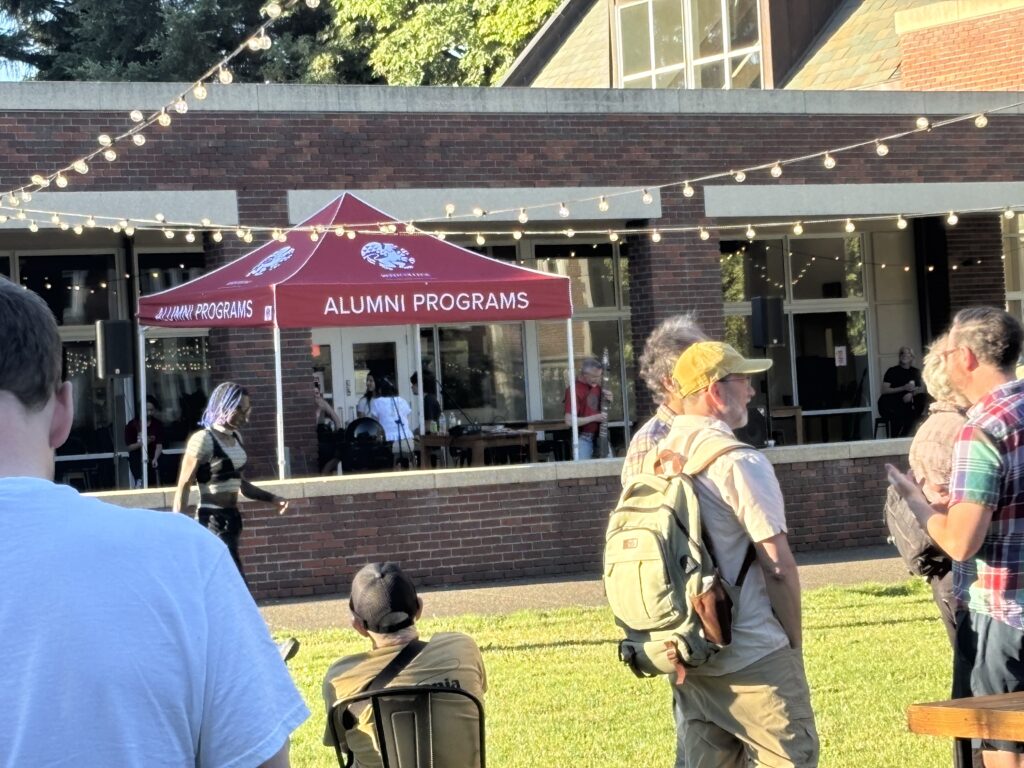
Reunions, like my motivation to clean my room, has come and gone. There were many events to go to and many different people to meet, some of which are regulars at Reunions while others were newer faces who decided to pop in and see what all the buzz was about.
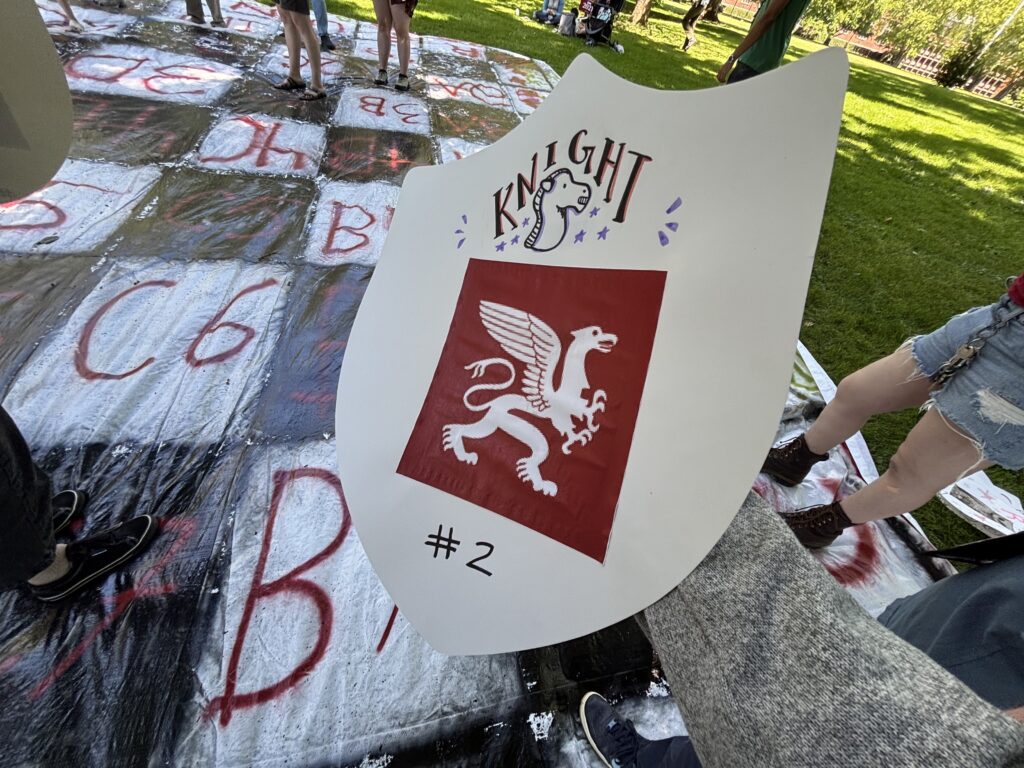
One of the events that I went to was Human Chess where people took the place of chess pieces and to capture a piece you had to wrestle the person who was said piece. I told folks that I could body a 5-year-old, no problem–knight vs pawn dynamics could be disregarded! Human Chess is a long-running Reed tradition. Maybe we can rustle up the folks who used to run it…
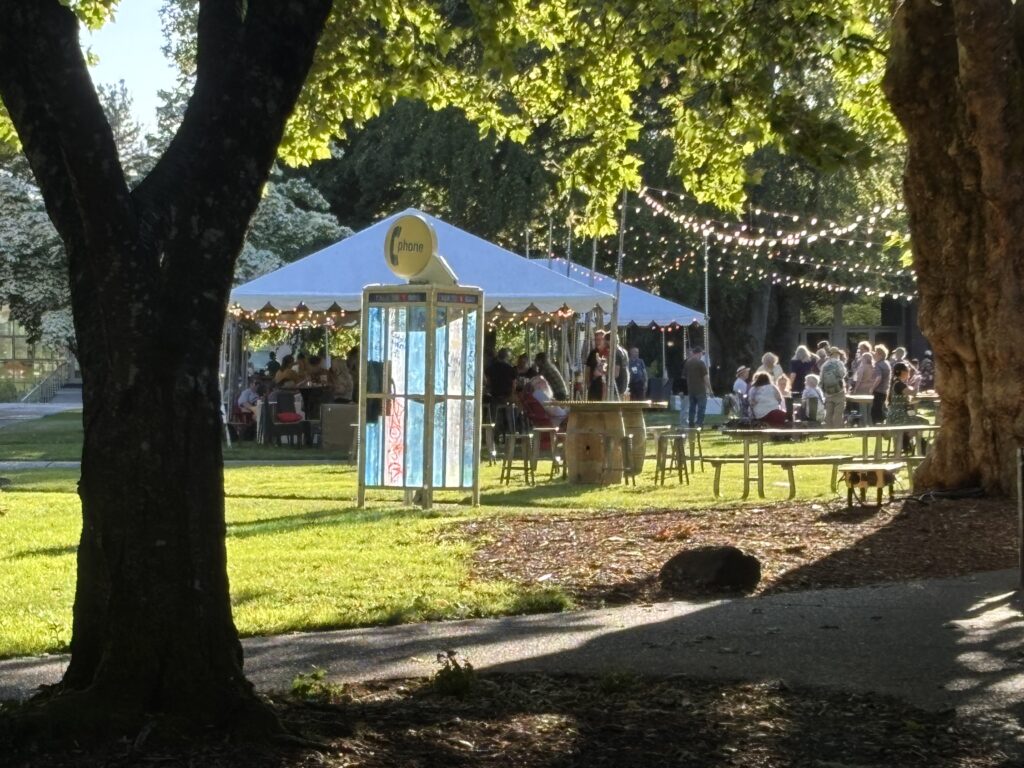
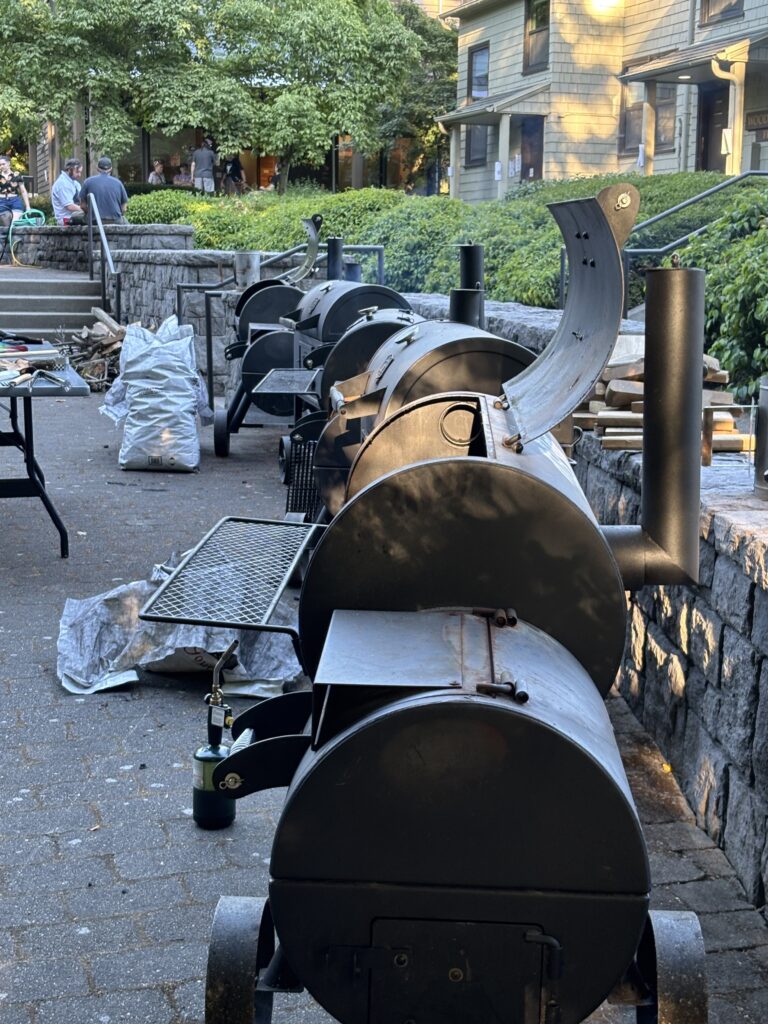
Friday was when reunions kicked into full swing and this was most evident in the International Language Plaza where Meat Smoke was. This year, they helped put on the “Weekend at the Language House Plaza with the Class of 2016,” with a nonstop selection of music from beloved underground DJs, a deluge of libations and the sweet scent of Meat Smoke in the air.
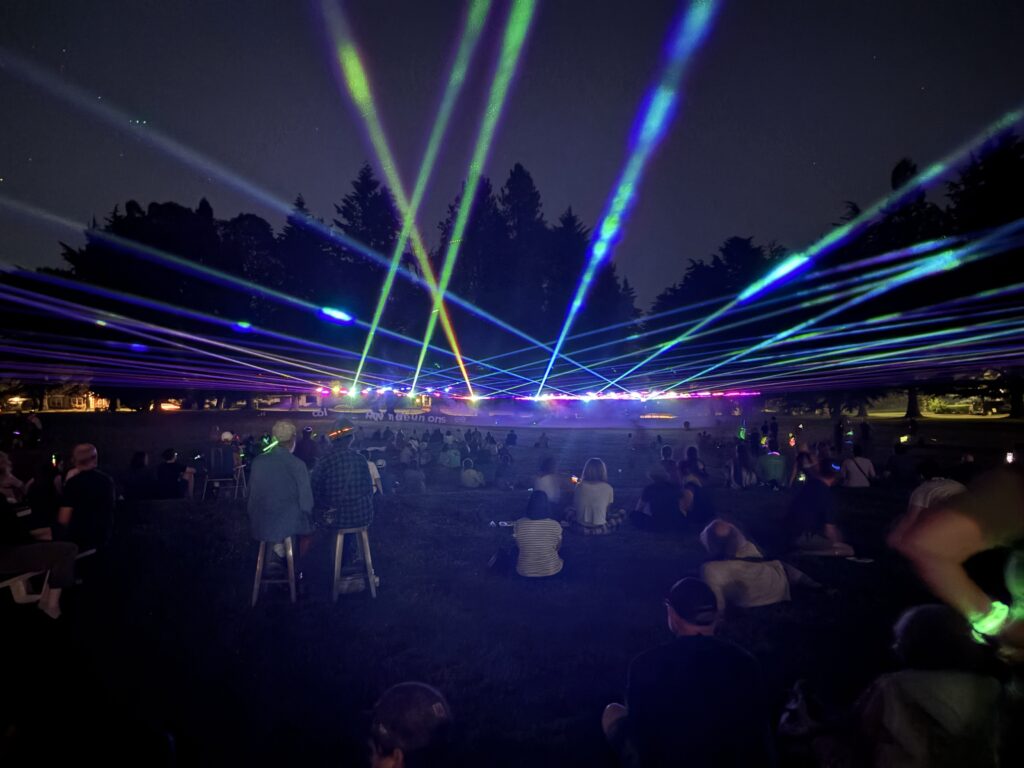
On Saturday, Meat Smoke moved to the front lawn so people could enjoy smoked meat and watch the light show that was going on on the front lawn. I hope you all had as much fun as I did during reunions.
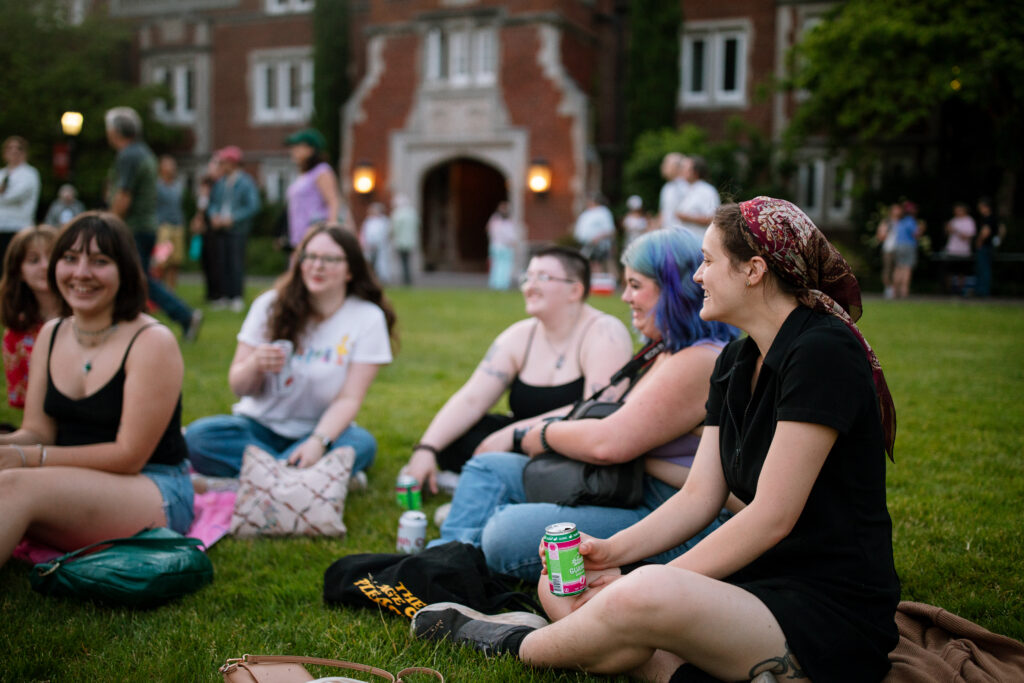
What’s up Reunions visitors of 2026?!?! This is one of your loyal Reunions student workers and I am so excited to see all of you this year! My name is fittingly Griffin, and I am a rising junior at Reed! This is my second year working as a Reunions Student worker so I thought I would look through the schedule for the Reunions weekend and point out some of the events I am most looking forward to and that you will hopefully see me at!
First off, Thursday is the first day of big events, of which, I am most excited to see the 50th class reunion dinner in the evening. I didn’t get the pleasure of being there last year but I am most definitely going to be there this year and am looking forward to hearing all the amazing stories of y’all’s time at Reed! There is also a reactor tour from 3-4 pm that has limited spots so make sure to sign up when you can if you want to see that signature blue glow! If you can’t get a spot on the Thursday tour don’t worry, because there are three other chances for you to sign up for a tour.
The reactor emitting cherenkov radiation. The “blue glow” is produced by charged particles in the core moving faster than the speed of light in water. Credit: Nemo Shen ’21
Moving on to Friday, this is the day where things really get going for those of you not from the class of ’76. If you’re an architecture fan, or just like walking around looking closely at buildings (which technically makes you an architecture fan) try your best to catch one of the two architecture tours hosted by Paul Edison-Lahm of the class of ’83.
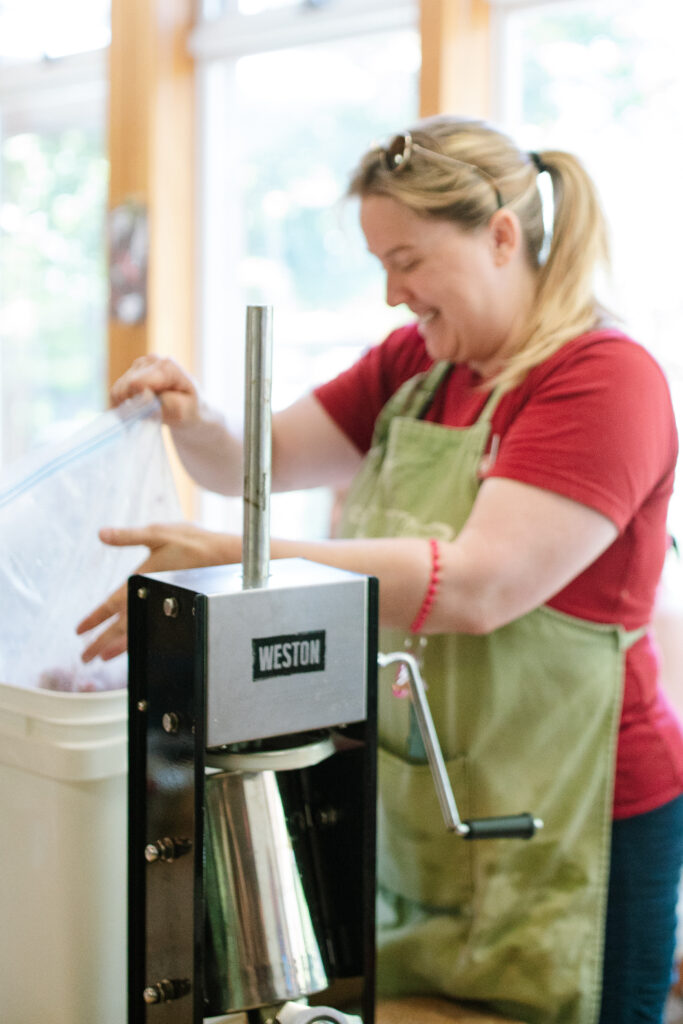
Also on Friday is my FAVORITE event of the whole weekend: How to Make Sausage with Meat Smoke!!! If you have ever wondered what it’s like to feel the power of a full on meat grinder in your hands, or what it feels like to rehydrate some prophylactic-esque looking sausage skins, this is the event for you. Not only do you get to do lots of tasting while you’re making your creations (you know…….for quality control) but you also get to be a part of Reunions set up like me! The sausages y’all make will be served after the fireworks on Saturday! So help feed your fellow Reedies and make some banger sausages (get it? There’s a badum tshhhh in there somewhere).
Learn How a Sausage is Made (Literally) 1:00–3:30 p.m., Spanish House
The masters of meat will demystify the metaphor, and prove that the dirty details are in fact delicious, clean fun! Meat Smoke veterans will lead a sausage-making workshop, demonstrating the entire process from snout to tail. Get hands-on experience in cutting down and grinding whole slabs of pork, seasoning it to perfection, loading and filling pork casings, and pinching and cutting sausage links. There will be plenty of opportunities for grilling and tasting our creations during the workshop. Sausage made during this event will be served to everyone after the Laser Light Show on Saturday. Come meat with us, join in the fun, and make lots of dirty jokes (sometimes they slip out unintentionally)!
Later Friday night, come support some Reedies on the quad who are playing music! One of my bosses from another of my on campus jobs will be playing so you bet I’m going to be there shouting GO BEN!!!!
Finally for Friday night there is arguably the biggest party of Reunions every year, the Language plaza party. Now the past couple of years it has been a 90’s party (The Dream of the 90s Is Alive at Reunions), but this year it is under new management. The class of 2016 has taken over, and with the help of some other classes, they are going to throw the biggest 2016 party since…. well, 2016!!
On Saturday, make sure to try to catch the All-in-one HUM 110 lecture! There will be every helpful piece of information from the entire universe ever and I personally think that is pretty cool.
One final event that I want to point y’all towards is the Human Chess! Have you ever wanted to LARP a chess piece??? (who am I kidding you’re Reed Alum, you do that every Saturday) BUT!!! There will be a little bit more action than your average run of the mill human sized chess game. I can’t say anymore because I fear for my lowly pawn life but be there or be square!!! (get it……. Badum tshhhh again!)
There are so many cool events happening this Reunions weekend I couldn’t possibly talk about all of them but these are the ones I personally have my eye on! I hope to see y’all there!! If I don’t see you at a particular event, I’ll definitely see you while I’m whizzing around AT OR BELOW the speed limit in the Reunions taxi so don’t hesitate to wave it down or call the taxi number (503-517-4050).
Signing off, your soon to be favorite Reunions student worker:
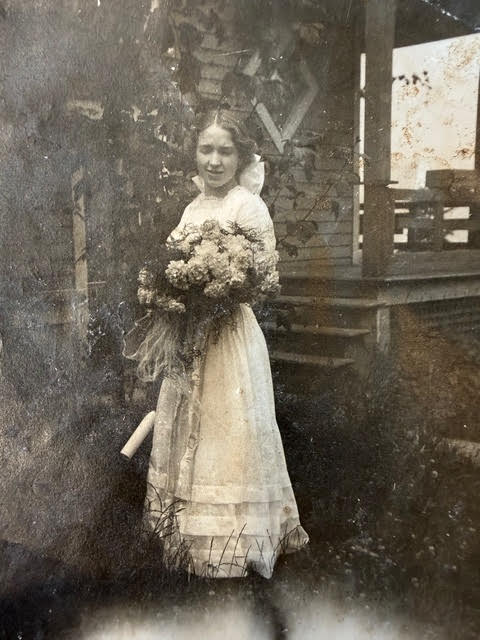
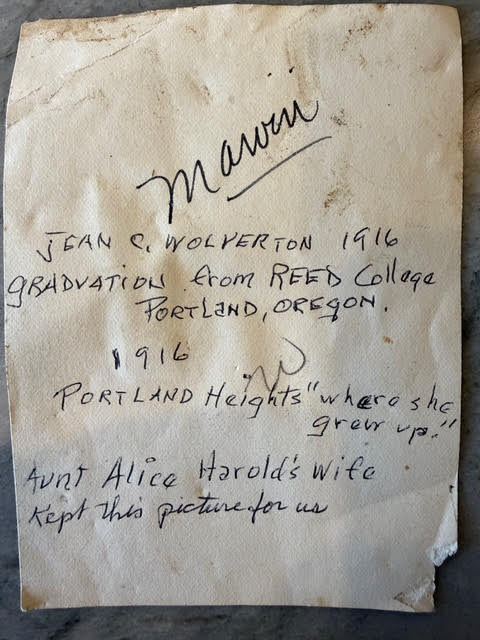
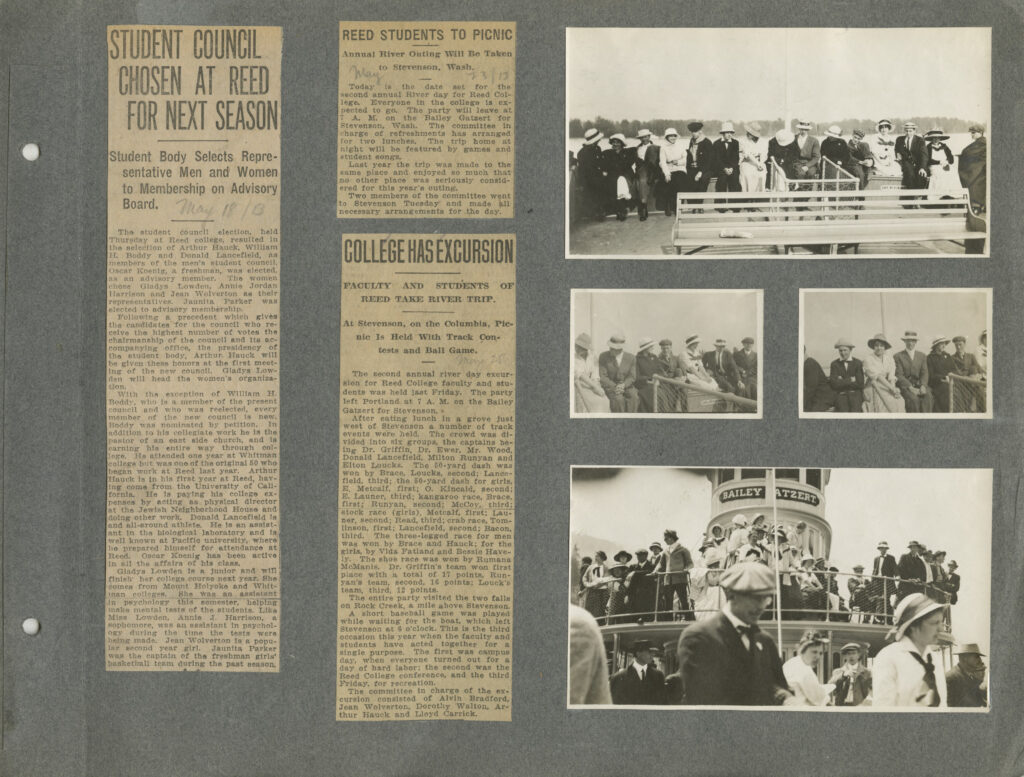
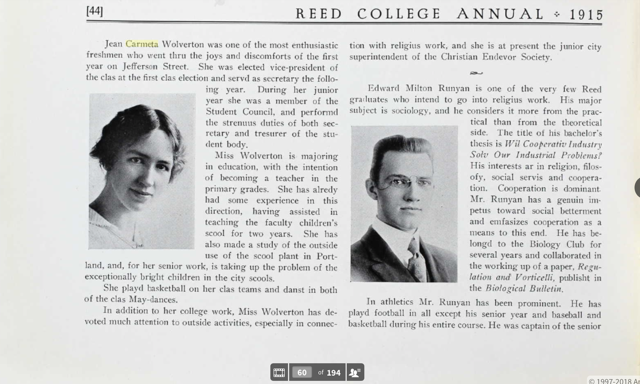
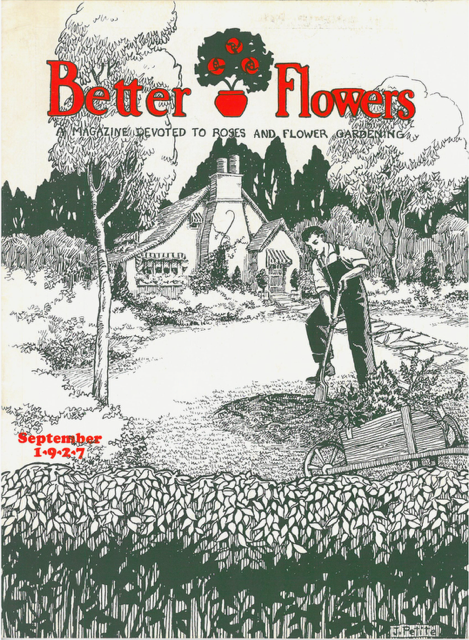
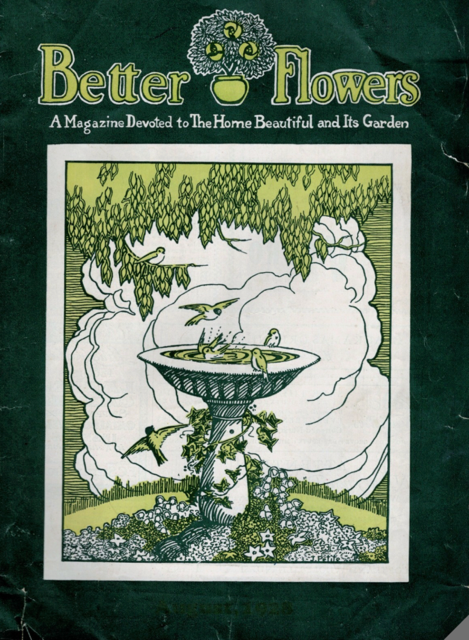
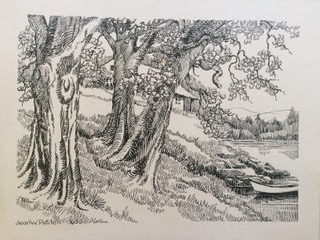
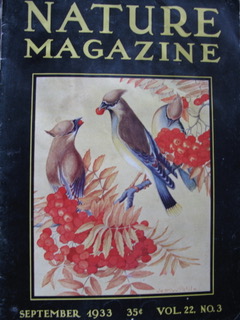
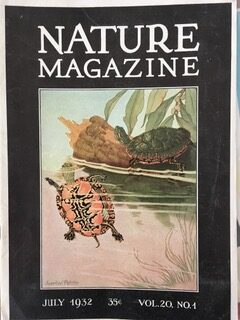
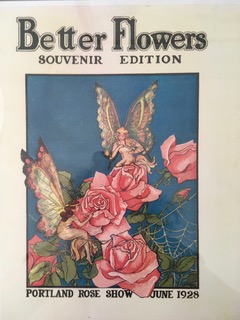
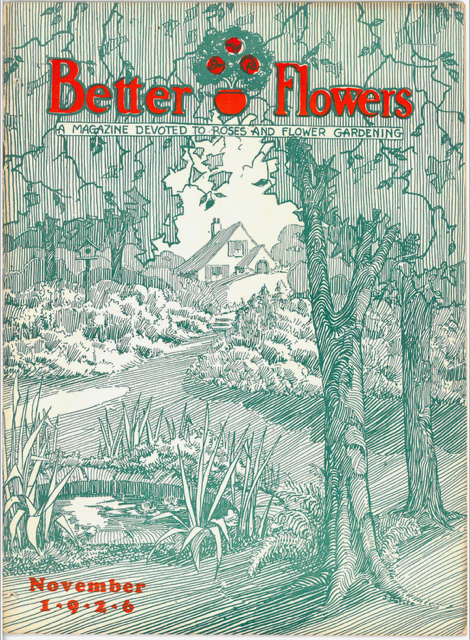
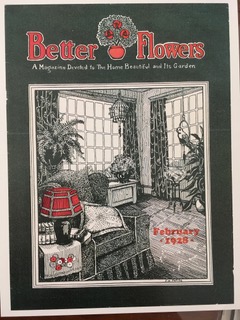
Jean Carmeta Wolverton (1892-1974), Reed College class of 1915, was an accomplished artist and naturalist. Her father, Bruce Wolverton, was born in a covered wagon on the Oregon Trail, and their family settled in the Willamette Valley. With Reed College opening its doors in 1911, Jean was one of the first women to attend. Reed welcomed women into their college and provided a pathway to education at a time when it was more unusual for a woman to have the opportunity to earn a degree. She played basketball and danced at Reed while teaching and working with students while pursuing her degree in education. Jean was able to break through these barriers while attending Reed, where she was elected Vice President of her Freshman class and later elected Secretary and Treasurer of the Student Body Council.
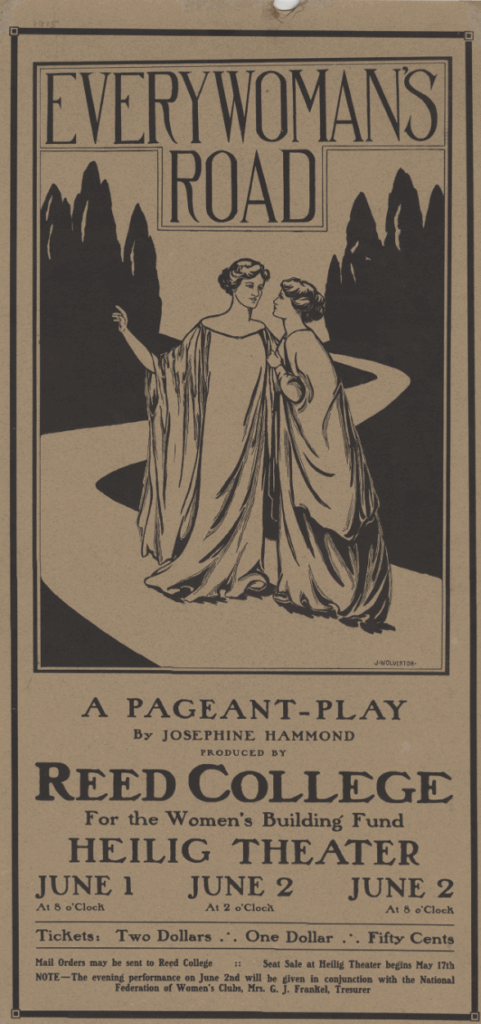
Jean practiced her artistic skills during her time at Reed, illustrating playbills on campus for student performances.
Poster publicizing the pageant-play of Everywoman’s Road written and directed by Reed professor Josephine Hammond. It specifies that it is in support of the Women’s Building Fund. The poster design was by J. Wolverton [Jean Wolverton Petite] ’15
Later known by her married name, Jean W. Petite, she utilized her education at Reed to become a dedicated and accomplished educator, artist and illustrator. Jean was inspired by and specialized in birds, flowers and the nature that surrounded her. She illustrated several magazine covers for Nature Magazine, and Better Flowers (published by the Portland Rose Society).
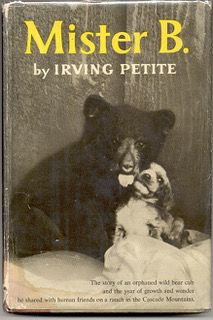
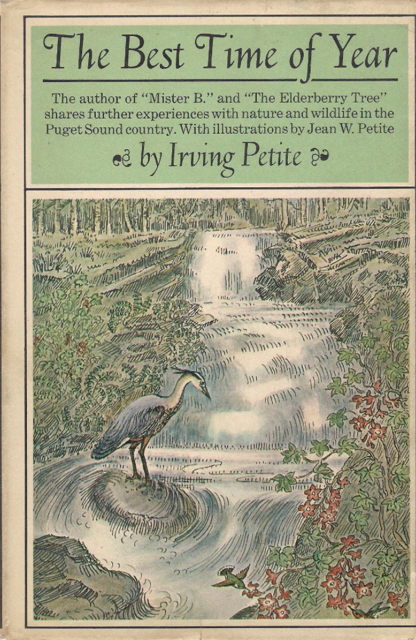
Jean also illustrated two books by her son titled “The Elderberry Tree” and “The Best Time of Year”. Her son, Irving Petite, was a NY Times best selling author and naturalist, who was heavily influenced by his mother’s respect and love of nature.
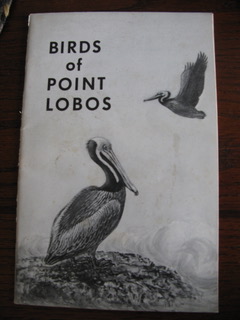
Jean held Art Shows along the west coast throughout her career and her art was featured in the Expo ’70 World’s Fair in Osaka, Japan. Jean’s intricately detailed and accurate paintings of birds, were utilized to document and teach about birds and wildlife. Her paintings of birds were made into slides and sold to Washington and California public schools as a teaching guide, which became one of her most outstanding art and educational achievements. She studied birds extensively throughout the Pacific Northwest, California, Hawaii and Mexico. In 1972, the State of California Parks and Recreation Department commissioned Jean to document 48 Shore and Sea Birds at the Point Lobos State Reserve which was published as a guide called “The Birds of Point Lobos”.
Jean was one of the original Reedies and her legacy as an artist was passed down through generations with a familial tradition of artists, musicians, writers and a family that embraces nature.
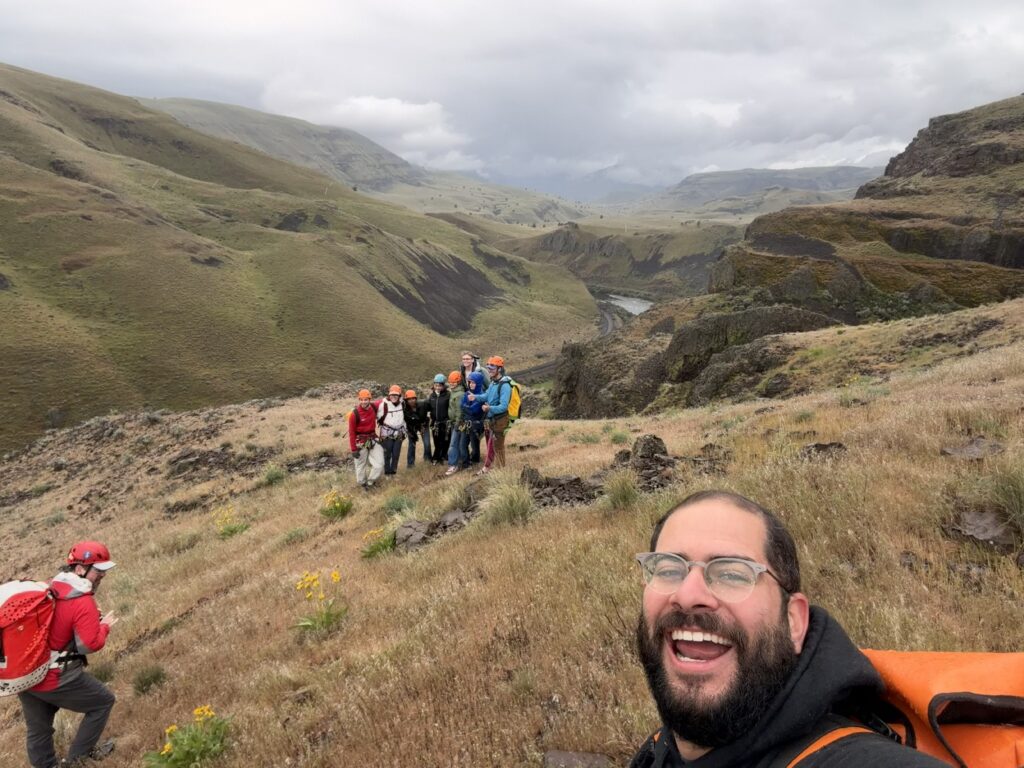
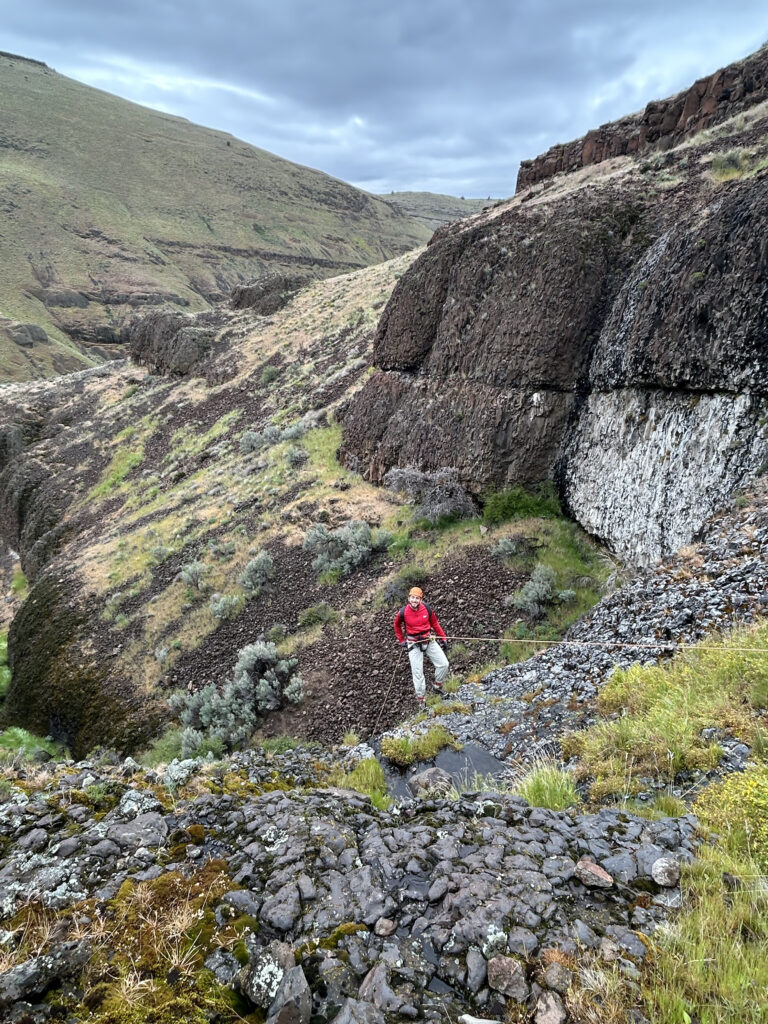
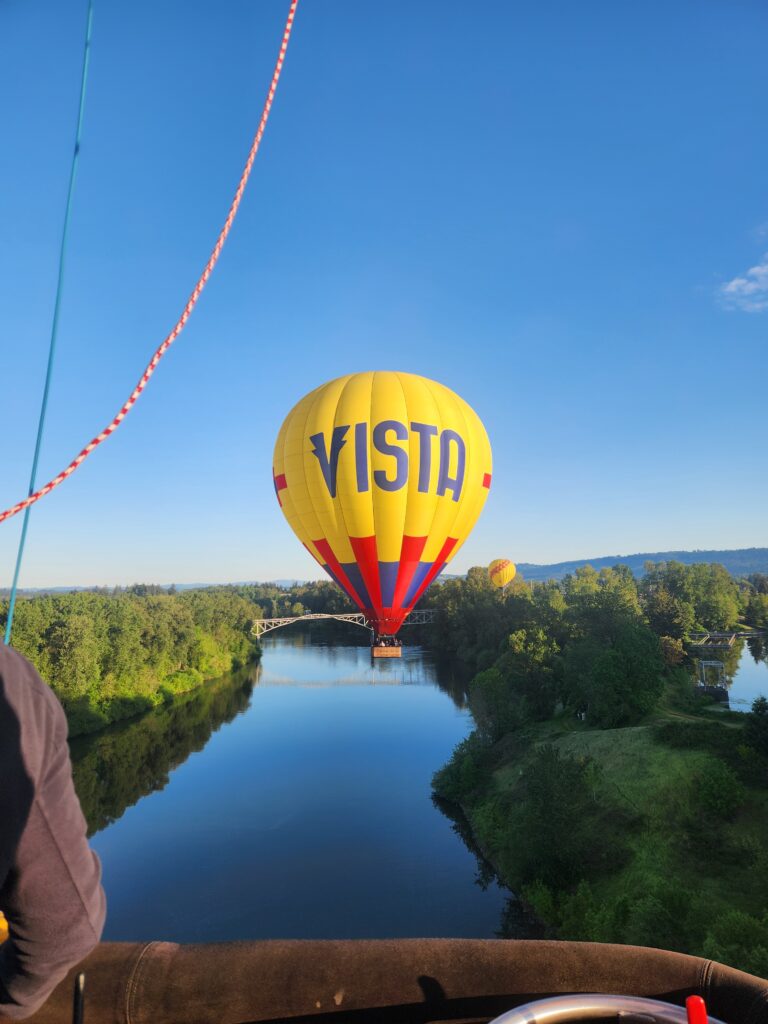
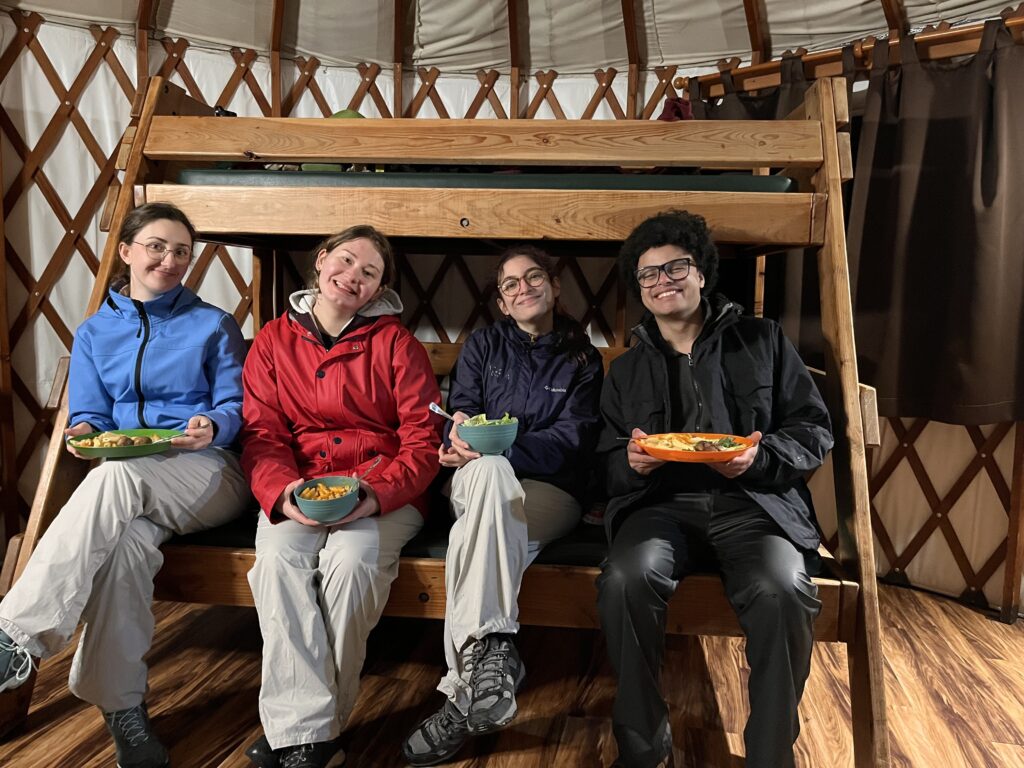
It’s the end of the semester, and programs across campus are wrapping up! That includes a spectacular year for the Gray Fund Outdoors program, which takes students outside of the Reed bubble for adventures of a lifetime.
Trips this year included indoor skydiving, ice skating, an overnight trip to Cape Lookout, skiing and tubing at the ski cabin, rock climbing in Bend, a trip to the Gorge to meet Herman the Sturgeon, cross country skiing, a monster truck jam rally, paintball, seaweed foraging, a dawn hot air balloon ride, rappelling along the Deschutes River, and a visit to the famous Oregon tulip festival!
Check out these highlights:
Did you have the great good fortune of winning a Gray Fund lottery during your time at Reed? What did you get to do?